
Escalation in IP Battle: Sony Demands Preliminary Injunction Against Tencent’s ‘Light of Motiram’









Popular Now
 FIFA 23
 Candy Crush Saga
 Valorant
Stumble Guys
Valorant
Stumble Guys
 Warframe
 R.E.P.O
 The Legend of Zelda
 BeamNG.drive
 Brawl Stars
 Sonic the Hedgehog™ Classic
 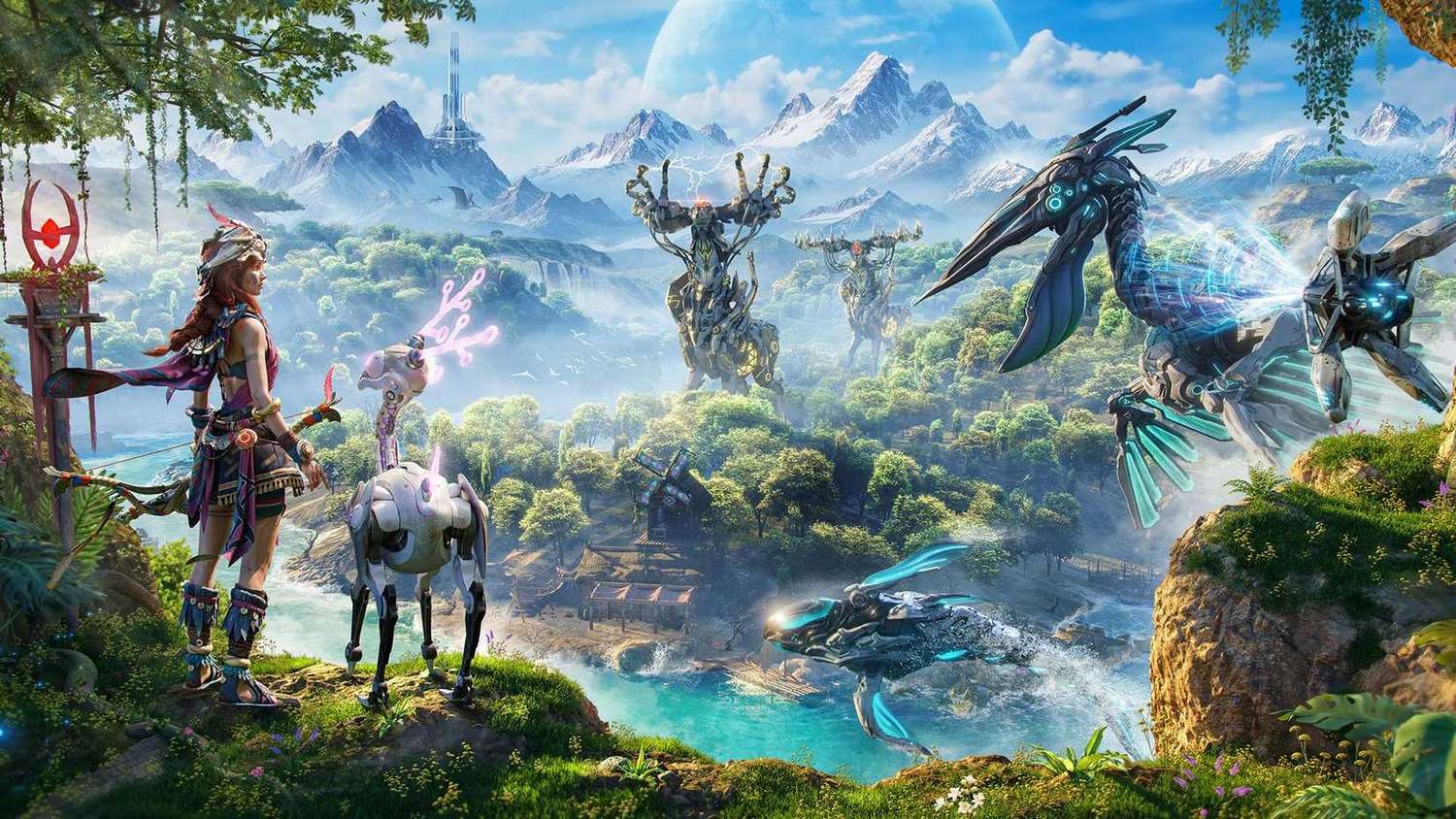 The high-stakes legal confrontation between gaming titans Sony Interactive Entertainment (SIE) and Tencent has reached a critical juncture. Sony has recently intensified its pursuit of litigation against the Chinese conglomerate, filing a motion for a preliminary injunction in the U.S. District Court for the Northern District of California. This aggressive maneuver seeks to immediately halt any pre-release promotion, and ultimately the publication, of Tencent’s upcoming open-world survival game, Light of Motiram (LoM), which Sony alleges is a “slavish clone” of its globally successful Horizon Zero Dawn and Horizon Forbidden West franchise.
The motion, filed on October 15, 2025, represents Sony’s firm rebuttal to Tencent’s earlier motion to dismiss the initial copyright and trademark infringement lawsuit launched by SIE in July 2025. Sony is explicitly targeting several core elements of the Tencent-developed title, arguing that the obvious and pervasive copying of protected IP is already causing “irreparable harm” to the PlayStation brand and the multi-million-dollar Horizon franchise, a key pillar of Sony’s exclusive games portfolio.
Key Targets of the Injunction: Character and Aesthetic
The preliminary injunction is not a broad, unspecific claim; instead, it zeroes in on several distinct areas where Sony claims blatant copying has occurred. The most prominent focus is the protagonist of Light of Motiram. Sony requests that the court bar Tencent from using a “fierce tribal warrior huntress characterized by fiery red hair” which it argues is directly and intentionally designed to resemble the iconic Horizon lead, Aloy, a central figure in Sony’s gaming IP. Social media and gaming news outlets have previously echoed this sentiment, with numerous fans and journalists describing the LoM character as an “Aloy look-alike.”
Furthermore, the injunction seeks to prevent the use of other visuals, specific storyline elements, and even a melody used in promotional materials for Light of Motiram, which Sony claims is unduly similar to two compositions from the Horizon Zero Dawn Original Soundtrack, including the main theme. The core argument rests on the assertion that this level of resemblance leads to severe consumer confusion, jeopardizing the success of current and future Horizon expansion plans.
 Tencent’s Defense: ‘Well-Trodden Tropes’ and a ‘Shell Game’ Allegation
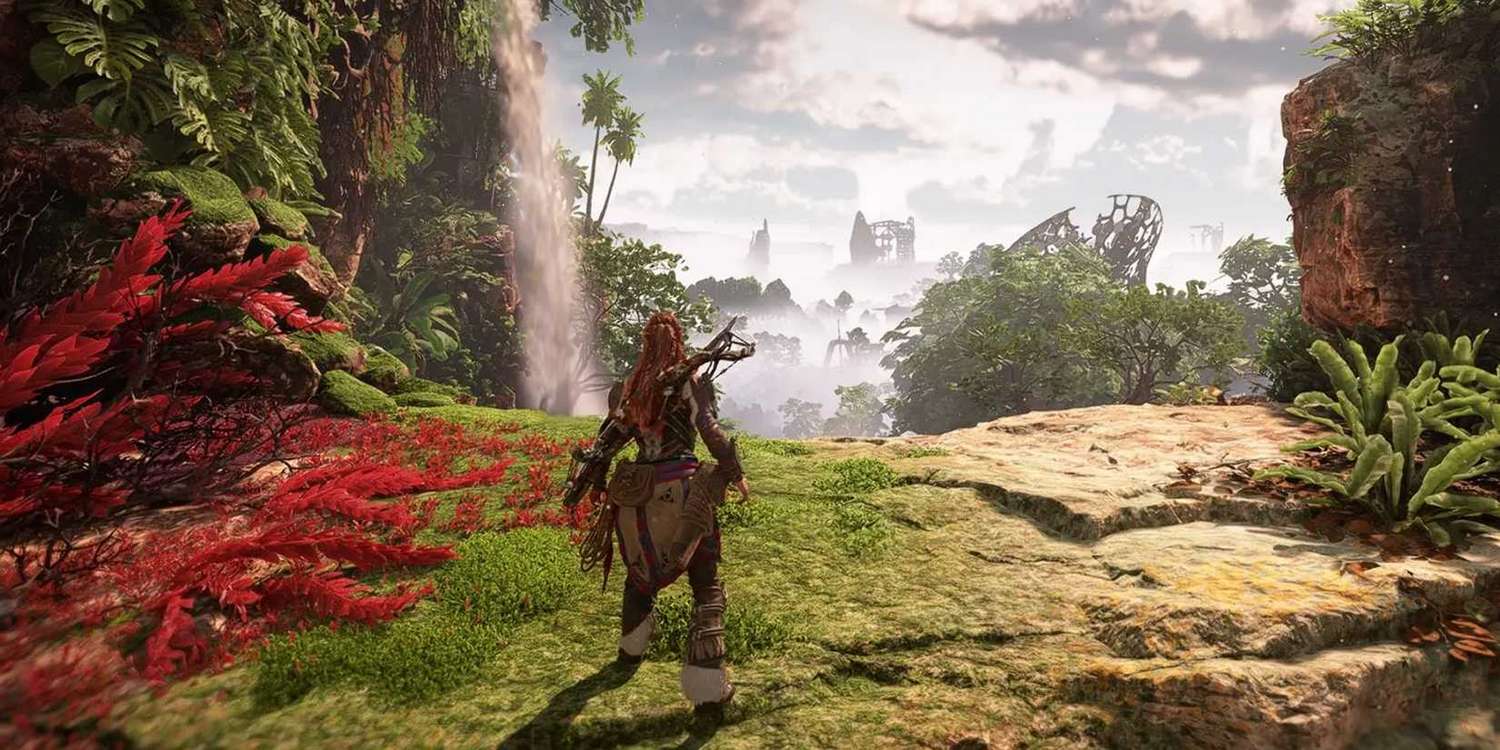 Tencent’s Defense: ‘Well-Trodden Tropes’ and a ‘Shell Game’ Allegation
Tencent, a dominant force in the global video game market and a crucial player in the mobile gaming industry, has vigorously defended itself against Sony’s claims. In its motion to dismiss, Tencent argued that Light of Motiram merely utilizes “time-honored tropes” and “ubiquitous genre ingredients” prevalent in numerous post-apocalyptic, open-world games, citing examples like The Legend of Zelda: Breath of the Wild and Enslaved: Odyssey to the West. Tencent’s legal team has accused Sony of seeking an “impermissible monopoly on genre conventions.”
Sony, however, has dismissed this defense as “nonsense.” In its latest filing, SIE directly accused Tencent of playing a “shell game” by using multiple subsidiaries to shield the primary company from legal liability, particularly noting the distance between the named defendants (Tencent America, Proxima Beta U.S., and Tencent Holdings) and the developer/publisher of LoM (Polaris Quest / Aurora Studios). This corporate structuring, Sony suggests, is a deliberate tactic to obscure accountability for the alleged intellectual property infringement.
Impact of Development Changes and Future Outlook
Adding to the complexity, following the initial lawsuit filing in July 2025, Tencent quietly and swiftly modified the Light of Motiram Steam page. This included purging several of the most controversial screenshots, including those prominently featuring the red-haired protagonist and the robotic creatures that bore a striking resemblance to the Machine Dinosaurs of the Horizon universe. The game’s scheduled release date was also dramatically pushed back from late 2025 to the fourth quarter of 2027.
Sony argues that these actions do not absolve Tencent. In fact, SIE suggests the quick removal of promotional materials is an admission of guilt, stating that “the damage is done, and it continues” due to the initial, highly public exposure of the allegedly infringing material. Tencent, in its defense against the injunction, argues that the game’s far-off release date (Q4 2027) negates Sony’s ability to demonstrate the “immediate threatened injury” required for a preliminary injunction.
A hearing for the preliminary injunction is reportedly scheduled for November 20, 2025. This case has drawn significant attention from legal experts and the AAA game development community worldwide, as the outcome will likely set a significant precedent for what constitutes copyright infringement within the rapidly evolving, globally interconnected video game industry. Should the injunction be granted, Tencent would be forced to pull all promotional material, and potentially cease all development work that incorporates the disputed elements, until the full legal proceedings conclude.
 The High Cost of IP Protection in Global Gaming
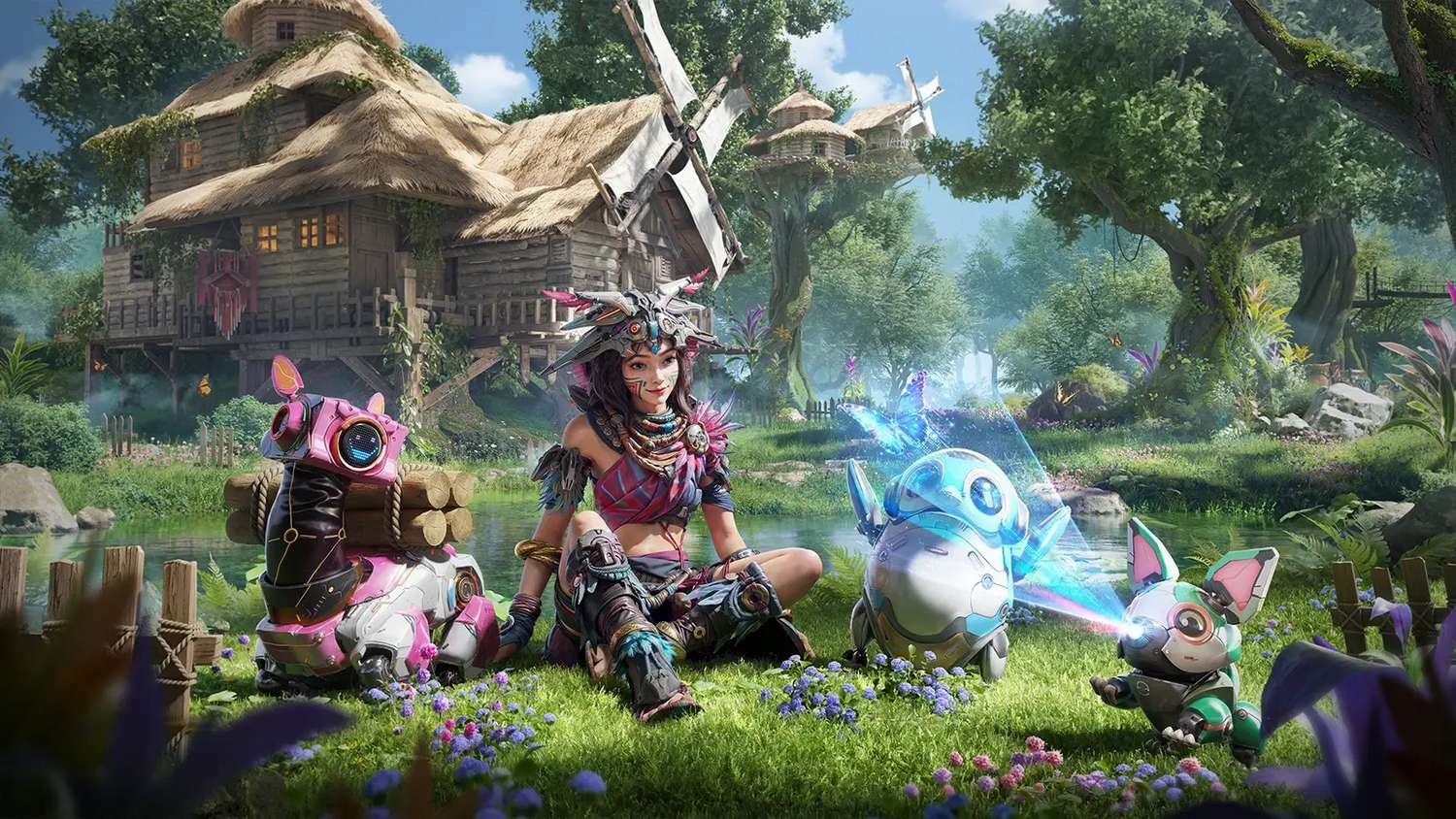 The High Cost of IP Protection in Global Gaming
This lawsuit underscores the increasing financial and legal risks associated with protecting high-value intellectual property (IP) in a globalized industry. For Sony, the Horizon franchise is a billion-dollar asset; protecting its uniqueness is critical to maintaining its competitive edge against rivals and preventing brand dilution. For Tencent, which operates numerous development studios and invests heavily across all platforms, defending the allegation is crucial to its reputation and business model. The keywords and phrases dominating the discussion—including IP infringement, preliminary injunction, gaming news, Horizon Zero Dawn clone, and the multi-billion-dollar valuation of the PlayStation exclusive games—highlight the immense financial and strategic implications of the ongoing legal battle.