
Blue Protocol: Star Resonance Launch Sparks ‘Gacha Grind’ Controversy, Early Steam Reviews Slashing Anime MMO Ambitions









Popular Now
 Fortnite
 Garena Free Fire: Kalahari
 Minecraft – Top 5 Minecraft Mobs
 Fall Guys
 Gacha Club
 Roblox
 Stumble Guys
 FIFA 23
 The Legend of Zelda
 BeamNG.drive
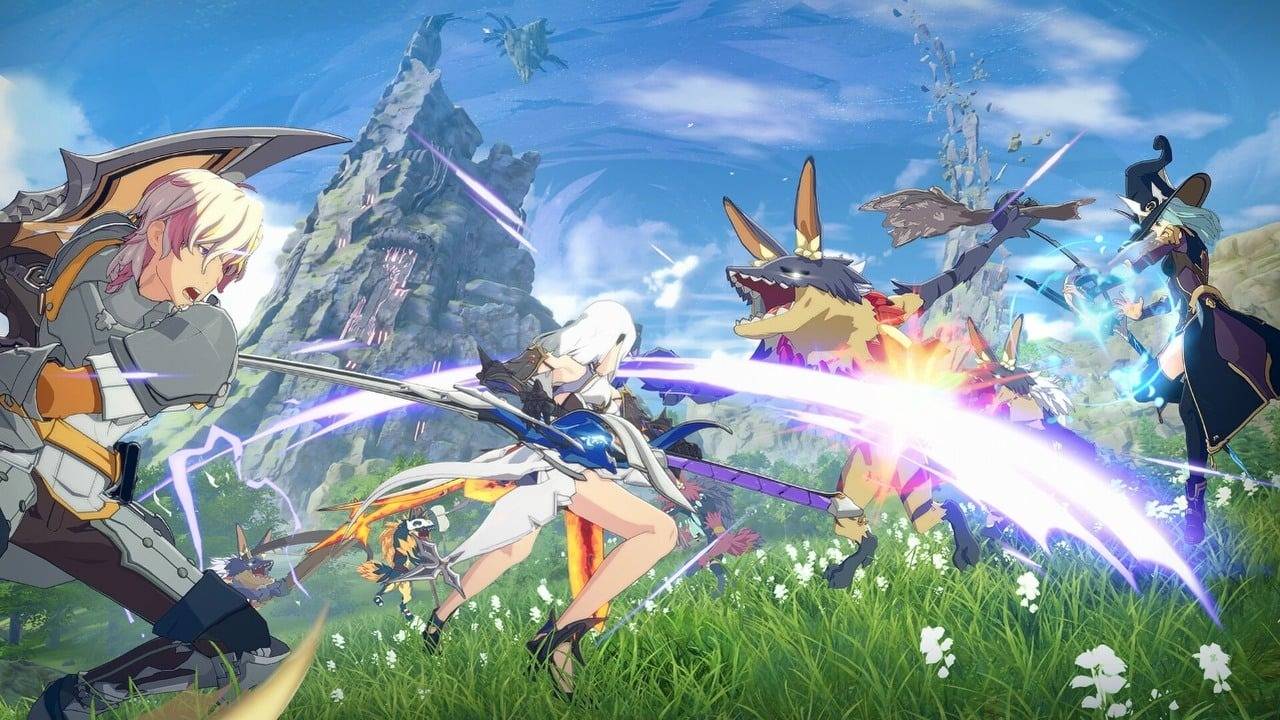 The highly-anticipated global launch of Blue Protocol: Star Resonance on October 9, 2025, has been met with a fiercely polarized reception, with early Steam reviews currently classifying the cross-platform title as ‘Mostly Negative’. Despite a massive concurrent player peak of nearly 100,000 users upon release, the sentiment on PC platforms is overwhelmingly critical, focusing heavily on what many veterans are decrying as an overly aggressive gacha monetization model and restrictive, time-gated content—hallmarks typically associated with the most predatory mobile gaming experiences.
One particularly scathing review, widely circulated across social media and gaming forums, dismisses the new free-to-play MMORPG as merely “another generic gacha grind,” and perhaps more damningly, suggests it “represents the culmination of the cancer that has killed the MMO genre.” This strong language underscores a deep frustration within the community, particularly among players who were hoping for a genuine successor to the original, cancelled Bandai Namco project.
 Steam’s ‘Mostly Negative’ Verdict: A Closer Look at Player Frustration
 Steam’s ‘Mostly Negative’ Verdict: A Closer Look at Player Frustration
The ‘Mostly Negative’ rating, sitting in the 30-48% range of positive feedback, is a clear indicator that Star Resonance has failed to meet the expectations of a significant portion of the PC gaming audience. The core of the dissatisfaction appears to be multi-layered:
- Aggressive Gacha Integration: While cosmetic gacha is expected in a free-to-play anime MMO, the controversial inclusion of “Battle Imagines” and “Battle Will” systems has sparked outrage. These are gacha mechanics that grant direct, non-cosmetic stat bonuses and abilities, creating a tangible power gap between free-to-play users and high-spending “whales.” The low drop rate for top-tier Battle Imagines (reportedly as low as 0.15% per pull for certain rarities) only exacerbates the perception of a pay-to-win environment.
- Restrictive Time-Gating: A major complaint centers on the implementation of a four-week progression time-gate. This mechanism caps player levels, locks off critical dungeon difficulties (like Hard and Master mode), and limits gear progression. Critics argue this system, common in mobile game design, artificially throttles player engagement and content consumption, directly contradicting the open-ended design philosophy that defines a traditional modern MMORPG. Players are logging in, exhausting their limited daily quests and story progression within an hour, and then logging out, fostering an experience described as “shallow” despite the game’s polished visuals.
- Simplified Combat and UI: Some reviews point to a combat system that is too simple, lacking the depth or complexity expected of an action-combat MMO. The UI and overall game structure are also frequently cited as being cluttered and confusing, mirroring the often-overloaded interfaces of mobile titles, which detracts from the PC user experience.
The swift player exodus, with reports of up to a 60% drop in concurrent users within the first 24-48 hours post-launch (Source: Steam Charts and Community Discussions), further highlights the immediate disconnect between player anticipation and the delivered product. For a title that was effectively “revived” and brought to the West by Tencent-backed developer Bokura, this tumultuous launch raises serious questions about the long-term viability and player retention, particularly in a crowded competitive MMO market.
The Economics of Engagement: Analyzing the Controversial Gacha and High CPC Monetization
The monetization structure of Blue Protocol: Star Resonance is an unmissable part of the current narrative. The game employs a complex web of currencies, both ‘bound’ (earned in-game) and ‘unbound’ (purchased), alongside a season pass model. The decision to make the powerful “Battle Imagines” obtainable primarily through low-odds gacha pulls, despite the developers’ assurances that all content can technically be cleared by F2P players, is where the controversy takes root.
- The Battle Imagine System: This mechanic allows players to “roll” for pieces of gear that provide substantial combat boosts and, in some cases, entirely new combat abilities. For specific classes, such as the Stormblade, the DPS scaling from these gacha-obtained items is reportedly so high that the gap between a free-to-play character and a “whale” becomes dramatically noticeable. This aggressive form of monetization targets a lucrative segment of the gaming population, aligning with the business models that underpin some of the most profitable top gacha games by revenue.
- SEO and Market Positioning: The game’s developers and publishers are clearly leveraging high-value keywords to attract a global audience. Terms like “PC MMORPG 2025,” “new action RPG,” and “free-to-play anime game” are high-CPC (Cost Per Click) terms vital for user acquisition in the competitive online gaming sector. The sheer volume of concurrent players at launch confirms the success of this marketing strategy, but the high drop-off rate indicates a failure in content delivery to match the initial hype.
The community backlash stems from a perceived bait-and-switch: promising a new era for Japanese-style MMORPGs but delivering a product that feels engineered around daily logins and monetization limits. This business decision prioritizes short-term revenue extraction from a dedicated player base over the long-term health and growth traditionally associated with successful, enduring MMORPGs like Final Fantasy XIV or World of Warcraft.
Navigating the Future: Can Star Resonance Recapture its Audience?
 Navigating the Future: Can
 Despite the negative reviews, the game’s initial player count on Steam and its higher-rated reception on mobile app stores (averaging 3.8 to 4.4 out of 5) suggest the title will likely find a sustainable community. The core appeal of its anime aesthetic, deep character customization, and cross-platform accessibility remains a strong draw for a more casual, on-the-go audience.
The future success of Blue Protocol: Star Resonance now hinges on the developers’ response to the overwhelmingly critical feedback regarding the time-gating and aggressive gacha systems.
The community is clearly demanding:
- Faster Content Unlocks: Reducing or removing the three-week time-gate on core progression and endgame dungeons.
- Re-evaluation of Battle Imagines: Altering the gacha system to ensure combat abilities are fully obtainable and competitive for Free-to-Play users through reasonable grinding, shifting the gacha focus purely to cosmetics.
- Deeper Endgame: Introducing more compelling and rewarding endgame activities beyond the daily checklist and guild mini-games.
The trajectory of a modern live-service game is often defined by its post-launch support and developer-community dialogue. For a game that has ignited such a strong debate regarding the integrity of the MMO genre itself, the coming weeks will be crucial in determining if Star Resonance can shed its early reputation as a “gacha grind” and evolve into the ambitious, high-quality new MMORPG its marketing promised.
Blue Protocol: Star Resonance Launch Mired in ‘Gacha Grind’ Controversy, Early Steam Reviews Call into Question MMO Integrity
The global launch of Blue Protocol: Star Resonance on October 9, 2025, a title that has been in the international spotlight since its announcement, has been met with a devastatingly polarized response. Despite a colossal influx of players, hitting a concurrent peak of nearly 100,000 users on Steam, the cross-platform MMORPG is currently branded with a ‘Mostly Negative’ rating on Valve’s platform. Veteran players and critics are voicing intense frustration, primarily targeting what they describe as overly aggressive gacha monetization and severely restrictive, time-gated content, echoing design patterns from mobile games that often detract from the core PC MMORPG experience.
One widely cited early review encapsulates the severity of the backlash, dismissing the new free-to-play MMORPG as “just another generic gacha grind” and, with dramatic effect, declaring it “represents the culmination of the cancer that has killed the MMO genre.” This sentiment highlights a profound disappointment within the community, especially among those who harbored hopes for a high-budget, true successor to the original, now-cancelled Bandai Namco Blue Protocol.
Steam’s ‘Mostly Negative’ Verdict: Deconstructing the Core Criticisms
The ‘Mostly Negative’ rating, which has consistently held in the lower positive percentage range, serves as a stark warning sign for prospective players. The central source of this significant dissatisfaction is a design philosophy critics argue prioritizes retention and monetization over organic player freedom—a cornerstone of the MMORPG genre. This disconnect is manifest in three critical areas:
- The Pay-to-Win Gacha System: The primary flashpoint is the monetization surrounding the “Battle Imagines” and “Battle Will” systems. Unlike typical cosmetic gacha, these features provide direct, non-cosmetic stat enhancements and unlockable abilities, fundamentally affecting combat power. The rarity of top-tier Battle Imagines is brutal—with drop rates reported to be as low as 0.15% per pull for specific items—which has led to widespread accusations of a pay-to-win ecosystem. This system is seen as creating a mandatory revenue stream that alienates the vast majority of the free-to-play base, turning crucial character progression into a high-risk high CPC gambling mechanic.
- Draconian Time-Gating on Content: Perhaps the most bewildering decision for a PC title is the implementation of a multi-week progression time-gate. This system artificially caps player levels, locks key activities (including Hard and Master difficulty dungeons), and restricts access to higher-tier gear. For the first few weeks post-launch, players are effectively limited to a finite amount of play per day—a structure that transforms a supposedly vast MMO into a series of highly constrained daily checklists. This design choice, while potentially preventing burnout in a casual mobile context, is viewed by the core PC audience as a cynical move to stretch minimal content over a longer period, resulting in a “shallow” and unrewarding early game experience.
- Simplistic Combat and Overloaded UI: Technical and design feedback also points to issues with the core gameplay loop. The action-combat system is frequently criticized for its lack of depth and complexity, failing to engage players accustomed to the genre’s mechanical standards. Furthermore, the user interface (UI) is often described as cluttered, confusing, and overtly optimized for mobile screens, further compromising the PC user experience.
The swift decline in player activity—with reports suggesting a 60% drop-off in peak concurrent users within the first 48 hours (Source: Steam Charts and Community Analysis)—underscores the depth of player disappointment. This rapid exodus, common in the launch cycle of mobile-centric live-service games, raises serious doubts about the long-term sustainability and player retention for this Tencent-backed reboot in the competitive MMO market.
The Economics of Engagement: Dissecting the High CPC Monetization Model
The fundamental business model of Blue Protocol: Star Resonance is inextricably linked to the controversy. The game’s monetization revolves around a multi-layered currency system, offering both ‘bound’ (in-game earned) and ‘unbound’ (purchased) currencies, alongside the sale of a premium Season Pass. The most contentious point remains the Battle Imagines gacha—a system that, by placing powerful combat progression behind exceptionally low-odds randomization, targets the high-spending demographic.
The developers’ defense that all content is technically clearable by F2P users is overshadowed by the demonstrable power imbalance. For players in competitive settings, or those pushing high-end content, the gacha system is effectively a requirement for optimal character performance, leading to the designation of “pay-for-power.” This structure is a textbook example of a high-revenue gacha game model, but one that clashes violently with the expectations of the Western PC MMORPG audience.
The game’s initial marketing and massive launch player count reflect a successful user acquisition campaign, heavily leveraging high-CPC keywords such as “PC MMORPG 2025,” “new action RPG,” and “free-to-play anime game.” While the marketing drew the crowds, the subsequent player drop-off clearly signals a failure of the product itself to sustain that initial interest, suggesting a fundamental misjudgment of player values. The focus on a mobile-first monetization loop appears to have prioritized short-term financial gains over the establishment of a robust, long-lasting game environment, a model that has proven successful for enduring titles like Final Fantasy XIV or World of Warcraft.
Navigating the Future: The Road Ahead for Star Resonance
Despite the critical response on Steam, the game is not without its merits; its vibrant anime aesthetic, extensive character creation suite, and cross-platform convenience hold undeniable appeal for a sizable, more casual market segment. The higher average ratings on mobile platforms suggest the game is meeting the expectations of players accustomed to the mobile gacha format, which points to a distinct split in the player base and their respective gaming priorities.
The developers must now face the monumental challenge of addressing the intense backlash from the core PC audience. The game’s long-term health is dependent on a swift and meaningful response to the progression and monetization systems.
The player community is vocal in its demands:
- Immediate Removal of Time-Gating: The primary call is to unlock or significantly accelerate the three-week time-gate to allow committed players to engage with the full scope of available content, including high-difficulty dungeons, without artificial restriction.
- Re-Calibration of Gacha: A fundamental change to the Battle Imagines system is needed to decouple direct combat abilities from the low-odds gacha. This would involve making powerful gear and skills easily obtainable through consistent F2P grinding, limiting the gacha to purely cosmetic items.
- Endgame Content Injection: A commitment to rapidly introduce deep, mechanically challenging, and rewarding endgame content that justifies long-term commitment beyond the current, repetitive daily task structure.
The trajectory of Star Resonance now rests entirely on the developers’ willingness to pivot away from a strictly mobile-centric monetization model. Failure to do so risks confirming the community’s worst fears: that this highly-anticipated title is little more than a polished, high-budget mobile game disguised as the next great PC MMORPG.