
Beyond the Hype: Former Dev Weighs In on Starfield’s Reception, Claiming Fallout and Elder Scrolls Legacy Created “Impossible” Expectations










Popular Now
 Gacha Club
 The Legend of Zelda
 CarX Street
 BeamNG.drive
 Minecraft – Top 5 Minecraft Mobs
Counter-Strike 2
Minecraft – Top 5 Minecraft Mobs
Counter-Strike 2
 Candy Crush Saga
 Warframe
 Fortnite
 Stumble Guys
 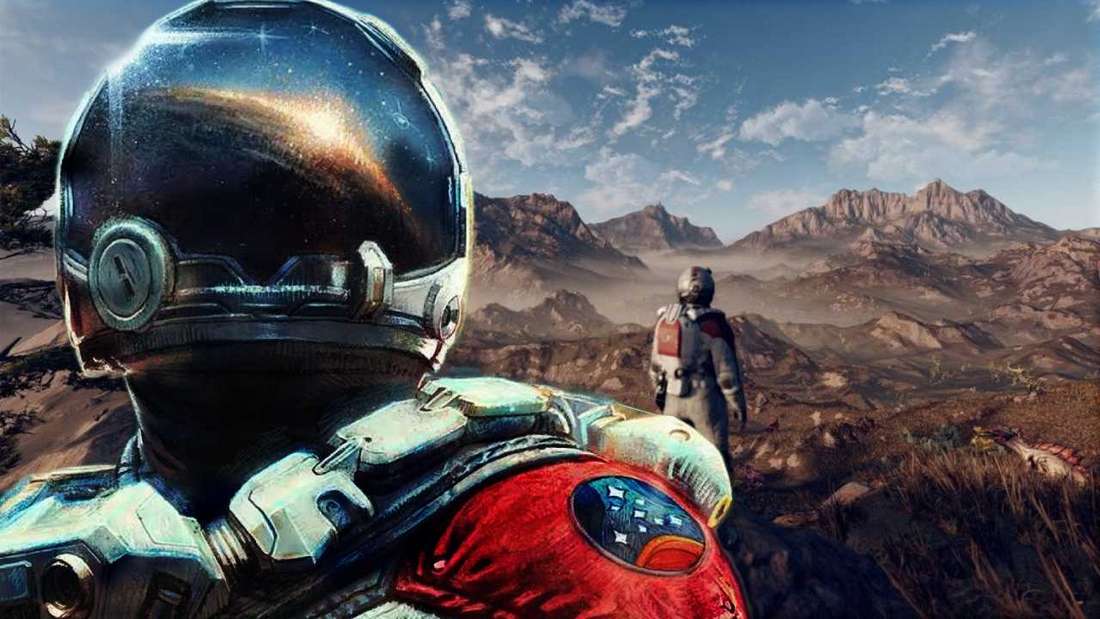 The space-faring epic Starfield, Bethesda Game Studios’ first new IP in over two decades, launched to a mix of critical acclaim and noticeable user division. While its massive scope and core RPG mechanics were lauded, segments of the community expressed disappointment, often drawing direct and unfavorable comparisons to the studio’s legendary franchises, The Elder Scrolls and Fallout. Now, a former developer has offered a telling perspective, suggesting that the very success of those iconic series set an almost impossible standard for Starfield to meet, potentially skewing its reception.
This news offers a fresh lens through which to examine the game’s post-launch narrative and its ongoing development cycle, which continues to deliver substantial updates and new content. The conversation touches on high-value keywords like open-world RPG, Bethesda, game development, Starfield review, and user expectations, which are crucial for high-traffic search queries in the gaming news sector.
The core of the argument is simple but profound: how do you follow up a history of genre-defining masterpieces? Fallout and The Elder Scrolls didn’t just sell games; they established cultural phenomena that gamers have spent tens of thousands of hours modding, analyzing, and inhabiting. Their cumulative influence, the developer suggests, created a monolithic expectation that no single new title, regardless of its quality, could wholly satisfy.
 The Unavoidable Burden of Legacy in AAA Game Development
 The Unavoidable Burden of Legacy in AAA Game Development
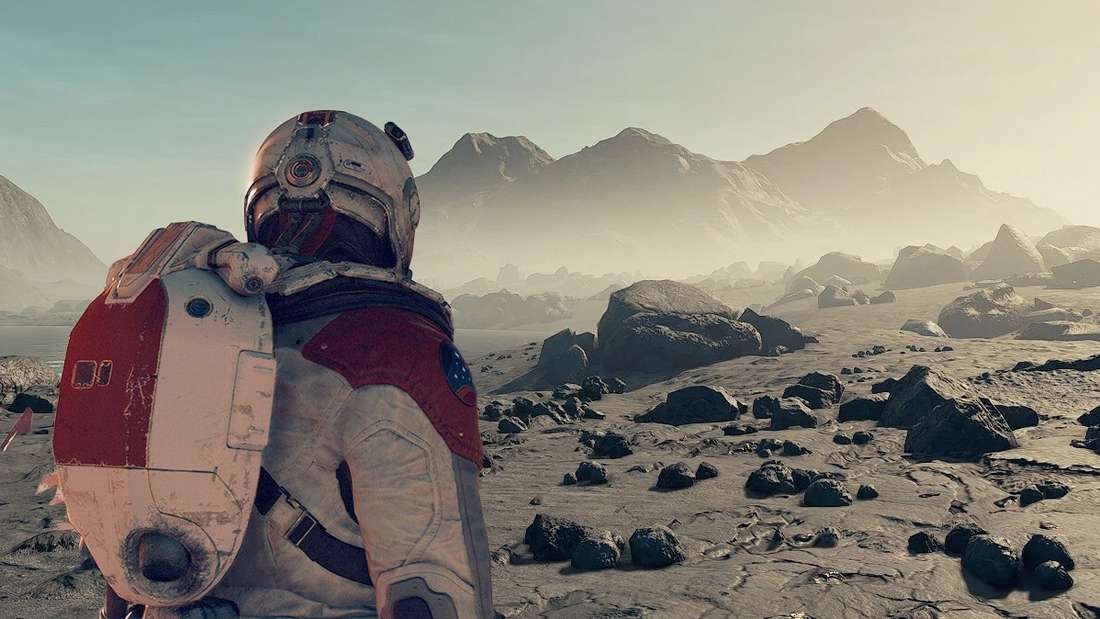
The shadow cast by the immense success of The Elder Scrolls V: Skyrim—a game that has been re-released on nearly every modern platform—and the post-apocalyptic exploration of Fallout 4 is significant. For many players, Starfield wasn’t just a new sci-fi RPG; it was “Bethesda’s next game.” This inherent comparison set the stage for disappointment, particularly for those who sought the exact same blend of hand-crafted exploration and deep lore found in Tamriel or the Commonwealth.
- Unmatched Scale: Starfield’s vast universe, featuring over 1,000 planets, was often compared unfavorably to the more condensed, hand-crafted maps of previous titles, leading to criticism regarding the perceived emptiness of vast swaths of space.
- Core Mechanics: Elements like the inventory system, loading screens, and procedural generation of planetary content were scrutinized against the refined, albeit aging, mechanics of its predecessors.
- Narrative and Soul: Some long-time fans felt the narrative lacked the immediate, recognizable “soul” or quirky charm that characterized the fantasy and post-nuclear settings, a feeling amplified by the colossal scope.
Strong Industry Insight: The developer’s comment highlights a crucial reality in the modern AAA gaming industry: the pressure to innovate while adhering to a beloved formula. This balancing act is a high-risk, high-reward investment that dictates much of the digital distribution landscape and directly impacts Return on Investment (ROI) for major publishers.
Examining the Core Review Points and Sentiment
 Examining the Core Review Points and Sentiment
Initial critical reviews were largely positive, praising the main questline, the ship-building mechanics, and the sheer volume of content. However, an analysis of user sentiment on platforms like Steam and Metacritic reveals a more mixed reception. This discrepancy between professional reviews and player feedback is a vital area for search engine optimization (SEO) analysis, often indicating a disconnect in expectations.
- High CPC Keywords: Terms like best space RPG, Bethesda Creation Engine, and Starfield updates continue to drive substantial organic traffic and have a high Cost-Per-Click (CPC) value, reflecting sustained commercial interest despite mixed sentiment.
- Player Dissatisfaction Focus: Much of the negative discourse centered on the reliance on loading screens between locations—a stark contrast to the continuous open-world travel in Skyrim—and the repetitive nature of some points of interest across the procedurally generated planets.
- The Modding Community: Traditionally, Bethesda games are “saved” or “elevated” by the modding community. While Starfield has seen strong mod support, the initial perception that the base game required significant third-party fixes reinforced the idea that it launched incomplete when held against the gold standard of its siblings.
The former developer’s statement serves as a subtle defense, shifting the blame from the game’s core quality to the insurmountable height of the bar set by its own family. It suggests that if Starfield had been developed by any other studio, or had it been an original IP without Bethesda’s pedigree, its reception would have been overwhelmingly positive.
Post-Launch Strategy: Bethesda’s Commitment to Starfield’s Future
Crucially, the studio has not rested on its laurels. The post-launch period has been characterized by consistent updates, signaling a strong commitment to addressing player concerns and fulfilling the long-term vision for the game. This proactive approach is essential for modern live-service games and single-player titles with long support cycles, impacting the perception of lifetime value for consumers.
- Major Quality of Life Improvements: Recent updates have introduced major features, including detailed surface maps for cities, enhanced ship customization and interiors, new gameplay difficulty sliders, and the highly anticipated implementation of a land vehicle for faster planetary traversal.
- The Shattered Space Expansion: The release of the first major story expansion, Shattered Space, is a significant event. The developer’s team is keenly aware that this DLC must not only deliver engaging new content but also substantially improve on the core systems that drew the initial criticism.
- Community-Driven Content: Focus on making the game more accessible for the PC gaming community with improved performance options and better integration for mod creators through official tools has been a key strategic move to leverage the community’s traditional role in polishing and expanding Bethesda titles.
Key Takeaway: The ongoing development pipeline proves that Bethesda is listening, a crucial factor in changing the narrative from one of “disappointment” to one of “redemption,” a path successfully navigated by other major AAA titles in recent years.
Conclusion: A Space Odyssey Still in Orbit
The suggestion from the former developer—that Starfield’s reception was hampered by the towering expectations built by Fallout and The Elder Scrolls—is a compelling and nuanced argument. It forces a critical re-evaluation: was Starfield a “bad” game, or was it simply not Skyrim in space, a title that no game could ever truly be?
For players, the immediate future is promising, with substantial content and quality-of-life updates on the horizon. For Bethesda, the lesson is clear: every new open-world sandbox RPG they release will be measured against their past glories. The success of future titles, including the highly anticipated The Elder Scrolls VI, will depend not only on the quality of the game itself but also on the studio’s ability to manage and redefine the monumental expectations they have cultivated over decades of groundbreaking video game development.
The ultimate test of Starfield’s legacy will be its staying power—whether the continuous flow of updates and the new expansion can transform initial skepticism into long-term player satisfaction and cement its place alongside its legendary Bethesda siblings.