
Brawl Stars Unlocks the Upside Down: An In-Depth Review of the Stranger Things Crossover’s Impact on Player Engagement and Monetization




Popular Now
 Auto X Drift Racing 3
 PUBG Mobile
 Poppy Playtime
Counter-Strike 2
Poppy Playtime
Counter-Strike 2
 God of War Ragnarök
 Valorant
 EA SPORT FC 25
 Candy Crush Saga
NBA 2K24
Candy Crush Saga
NBA 2K24
 Genshin Impact
  Brawl Stars Unlocks the Upside Down: An In-Depth Review of the Stranger Things Crossover’s Impact on Player Engagement and Monetization
 Brawl Stars Unlocks the Upside Down: An In-Depth Review of the Stranger Things Crossover’s Impact on Player Engagement and Monetization
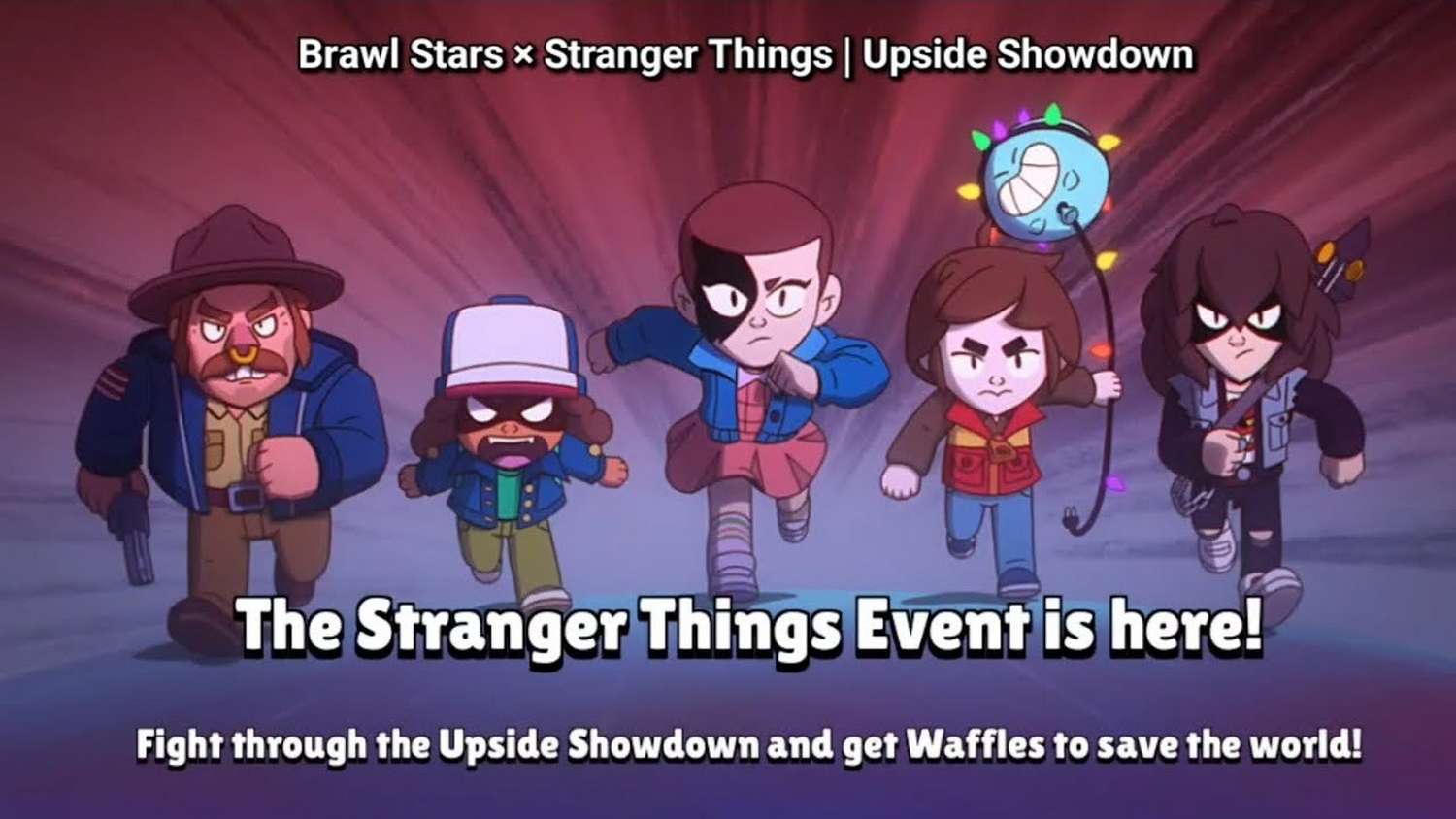
In a significant development poised to reshape the landscape of mobile gaming crossovers, Supercell’s hugely popular real-time multiplayer arena game, Brawl Stars, has officially announced a groundbreaking collaboration with Netflix’s critically acclaimed series, Stranger Things. This strategic partnership introduces iconic elements from the show, including the formidable Demogorgon and the beloved Waffles, directly into the frenetic brawling action. This article delves into the potential ramifications of this alliance, examining its strategic value, impact on player engagement, and the nuanced monetization strategies that are likely to accompany such a high-profile event.
The announcement has sent ripples of excitement through both the gaming community and fans of the sci-fi horror series, signaling a bold move by Supercell to continuously innovate its content pipeline and broaden its appeal. Crossovers of this magnitude are not merely cosmetic updates; they represent a calculated effort to inject fresh narratives, attract new player demographics, and re-energize the existing player base. For Brawl Stars, a game celebrated for its diverse roster of Brawlers and dynamic gameplay, integrating a universe as rich and recognizable as Stranger Things presents a unique opportunity for unprecedented growth and cultural relevance.
The Strategic Imperative of High-Profile IP Collaborations
The decision by Supercell to partner with Netflix on such a prominent intellectual property (IP) is a testament to the evolving dynamics of the mobile gaming industry. In an increasingly competitive market, developers are constantly seeking novel ways to capture attention and sustain interest. IP collaborations offer a potent solution, leveraging established fanbases and pre-existing narrative depth. For Brawl Stars, this means not only appealing to its millions of active players but also tapping into the vast global audience of Stranger Things enthusiasts, many of whom may be new to Supercell’s offerings.
Such events often lead to a surge in user acquisition and significantly bolster player retention strategies. The novelty of playing as, or alongside, characters inspired by the Upside Down—or wielding power-ups linked to Eleven’s favorite breakfast—creates a compelling reason for lapsed players to return and for newcomers to download the game. This influx of diverse players can invigorate the game’s competitive environment, foster new community interactions, and drive organic content creation from streamers and influencers, further amplifying the event’s reach.
What to Expect: Demogorgons, Waffles, and Exclusive Content
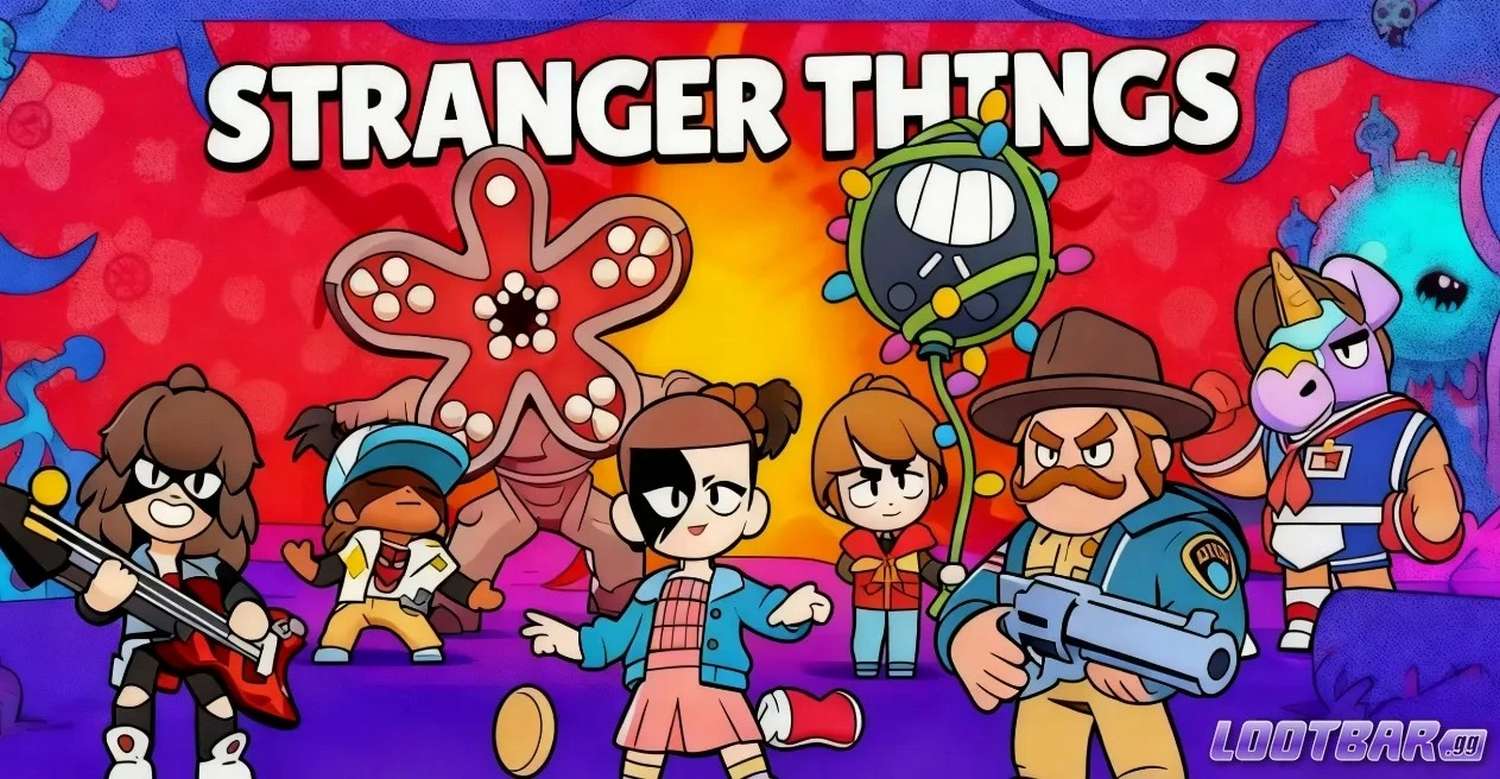
While specific details on all aspects of the crossover are still emerging, the mention of Demogorgons and Waffles provides tantalizing clues regarding the nature of the in-game additions. Players can anticipate a range of exclusive content designed to immerse them fully in the Stranger Things universe:
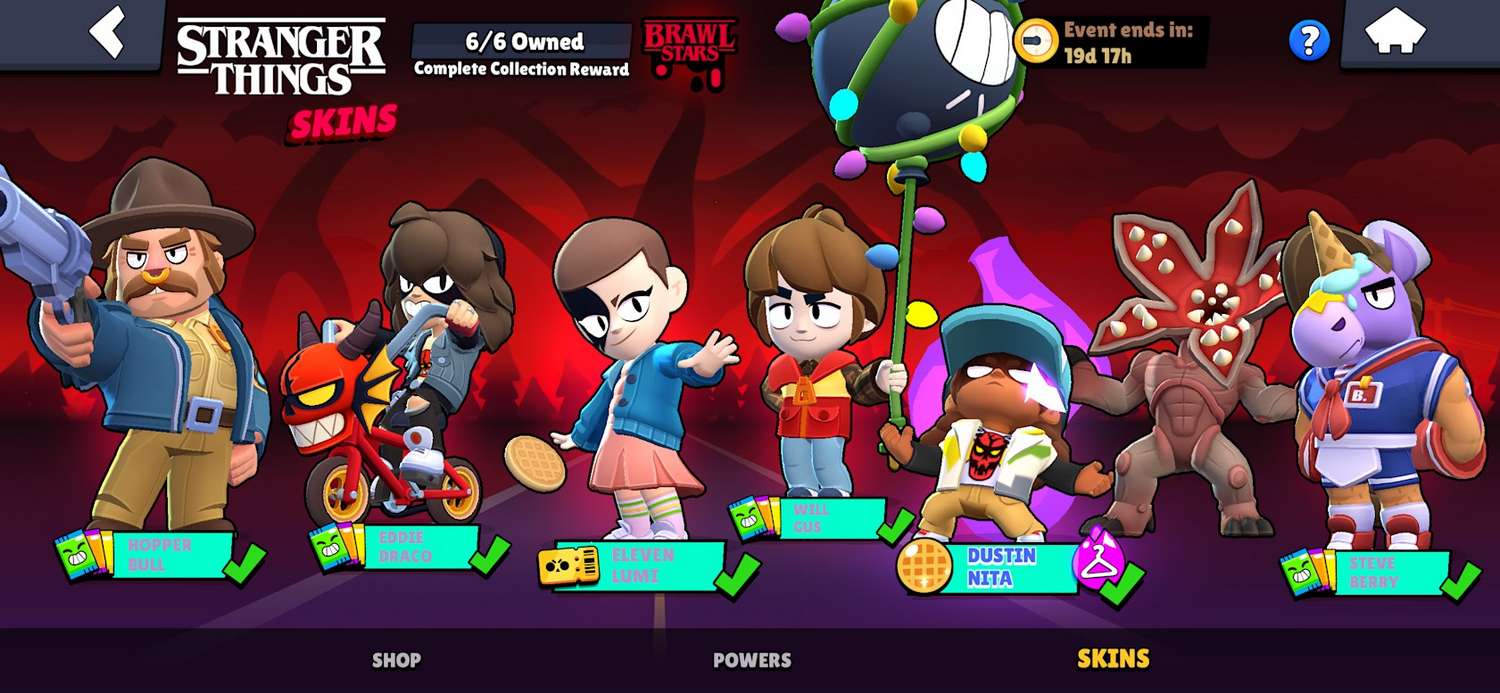
- New Brawler Skins: Highly anticipated are limited-edition skins transforming existing Brawlers into characters or creatures from Hawkins. Imagine El Primo as a Demogorgon, or perhaps even a Brawler dressed as Dustin, Mike, or Lucas. These premium cosmetic items are often a primary driver of in-game monetization.
- Thematic Game Modes: Crossover events frequently introduce temporary game modes that align with the guest IP’s lore. A mode potentially set in a darkened, Upside Down-esque rendition of a classic Brawl Stars map, perhaps involving unique environmental hazards or objectives, could be incredibly engaging.
- Collectible Pins and Sprays: Smaller, yet highly desirable, collectible items such as pins, sprays, and player icons allow for deeper personalization and express player enthusiasm for both brands.
- Waffle-Themed Power-Ups or Currency: The inclusion of Waffles suggests a potential new form of in-game currency specific to the event, or even temporary power-ups that grant unique abilities during themed matches, adding a layer of strategic depth.
- Special Quests and Challenges: Engaging players through a series of quests tied to the Stranger Things narrative can maintain interest over the event’s duration, offering rewards that entice consistent participation.
The aesthetic integration will be paramount. Supercell’s art direction is renowned for its vibrant, stylized visuals. The challenge and opportunity lie in blending the distinct, somewhat darker, aesthetic of Stranger Things seamlessly into the colorful world of Brawl Stars without compromising either IP’s integrity. Early indications suggest a careful balance will be struck, offering an experience that feels authentic to both franchises.
Analyzing the Monetization Strategy and Value Proposition
The financial implications of such a significant event are a critical aspect of its overall success. Supercell, known for its free-to-play model supported by in-app purchases, will undoubtedly implement a robust monetization strategy around the Stranger Things crossover. This typically involves a combination of:
- Direct Purchase Offers: Exclusive Brawler skins and character packs will likely be available for direct purchase using Gems, Brawl Stars’ premium currency. The perceived rarity and limited-time nature of these items can drive significant sales.
- Event-Exclusive Brawl Passes: A dedicated Brawl Pass or mini-pass for the event could offer a tiered reward system, where players complete challenges to earn points and unlock both free and premium rewards, including Stranger Things-themed items. This model encourages sustained daily engagement.
- Bundles and Value Packs: Offering various bundles that combine new skins, coins, power points, and other resources at a perceived discount can incentivize larger purchases, appealing to players seeking maximum value.
The key to success here lies in striking a balance between accessibility and exclusivity. While premium content drives revenue, offering some free-to-play friendly rewards or temporary access to themed elements ensures that all players, regardless of spending habits, can partake in the excitement. This inclusivity helps to maintain a positive community sentiment and broad participation, which is vital for the long-term health of the game.
Furthermore, the value proposition for players must be clear. Are the cosmetic items visually distinct and high-quality? Do the new game modes offer genuinely fresh gameplay experiences? The perceived value of these new additions directly correlates with player satisfaction and willingness to invest, whether through time or money. Supercell’s track record suggests a strong understanding of this balance, often delivering high-quality content that resonates with its player base.
The Broader Impact on Mobile Gaming and Brand Synergy
This collaboration between Supercell and Netflix underscores a growing trend of major entertainment companies recognizing the immense potential of gaming as a platform for IP expansion and engagement. For Netflix, it’s an opportunity to keep Stranger Things relevant between seasons, reaching audiences in a new, interactive medium. For Supercell, it cements Brawl Stars‘ position as a leading title capable of attracting and integrating world-renowned IPs.
The successful execution of this crossover could set a new benchmark for how mobile games leverage external franchises, emphasizing deep thematic integration over superficial additions. It highlights the increasingly blurred lines between traditional media and interactive entertainment, creating synergistic ecosystems where brands mutually benefit from shared audiences and enhanced visibility. This kind of strategic partnership contributes significantly to the cultural zeitgeist surrounding both the game and the show.
As the event unfolds, close attention will be paid to download metrics, active user engagement, and overall community feedback. These indicators will provide valuable insights into the efficacy of such high-stakes collaborations within the dynamic digital economy of mobile gaming. The precedent set by this event could influence future decisions by other developers and IP holders, encouraging more ambitious and integrated cross-media experiences.
Conclusion: A New Chapter for Brawl Stars and Mobile Crossovers
The introduction of Demogorgons and Waffles into Brawl Stars via the Stranger Things crossover represents far more than just a seasonal update; it is a meticulously planned strategic move designed to invigorate the game, expand its audience, and reinforce its position in the fiercely competitive mobile gaming market. By carefully weaving the narrative and aesthetic elements of Stranger Things into Brawl Stars‘ established gameplay, Supercell is poised to deliver a captivating experience that appeals to both veteran brawlers and newcomers from the Upside Down.
The event serves as a compelling case study in IP collaboration, demonstrating the immense potential when two industry giants pool their creative and marketing resources. As players dive into the themed arenas and unlock exclusive content, the true measure of this collaboration’s success will be its ability to forge lasting memories, foster sustained player interest, and ultimately, set a new standard for how mobile games can effectively harness the power of beloved global franchises. The Upside Down has arrived in Brawl Stars, and its impact is likely to resonate throughout the gaming world for seasons to come.