
Crusader Kings 3: Mastering Dynastic Power with the Best Cultural Traditions










Popular Now
 Warframe
 Valorant
 FIFA 23
 Fall Guys
 Rust
Gacha Club
Rust
Gacha Club
 PUBG Mobile
Among Us
PUBG Mobile
Among Us
 Counter-Strike 2
 Free Fire Max
 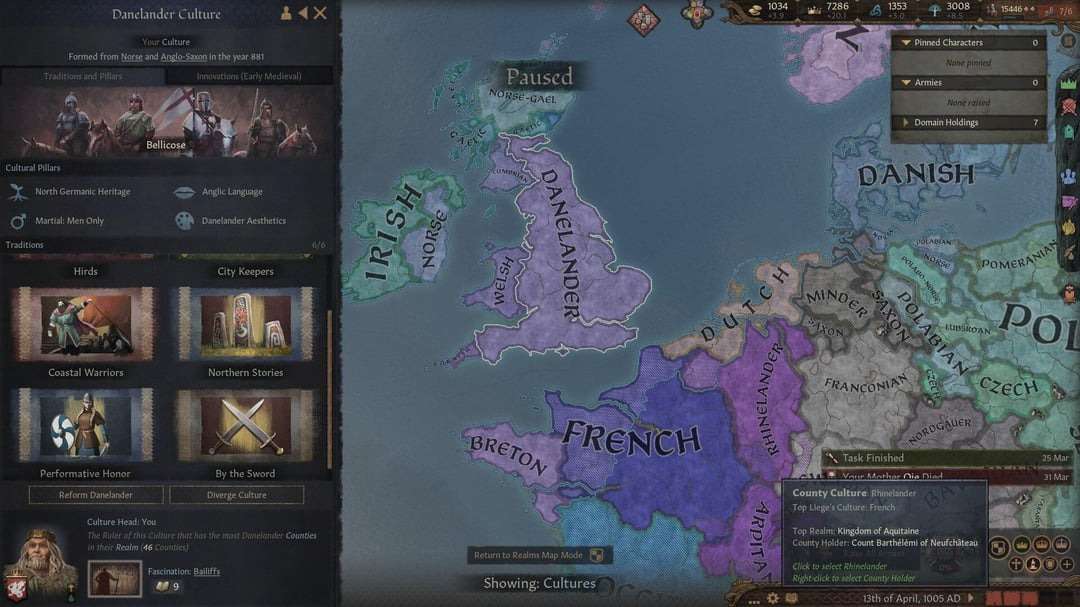 Crusader Kings 3, Paradox Interactive’s critically acclaimed grand strategy RPG, offers players an unparalleled sandbox experience in medieval dynasty management. Beyond the intricate web of feudal politics, personal relationships, and religious doctrines, lies a deeply influential system: Cultural Traditions. These aren’t mere flavor texts; they are powerful, game-altering mechanics that can define your realm’s strengths, direct its development, and ultimately determine the long-term success or failure of your dynastic ambitions.
Understanding and strategically leveraging the best cultural traditions is paramount for any player aiming for true dynastic supremacy. This comprehensive guide delves into the most impactful traditions, offering insights into their benefits, optimal use cases, and how they can be integrated into diverse playstyles to dominate the medieval world. As the game continues to evolve with expansions like “Royal Court” and “Tours & Tournaments,” the strategic depth of cultural management has only deepened, making a thorough understanding more vital than ever for an optimized gameplay experience.
The Strategic Imperative of Culture: Why Traditions Are Crucial in CK3
Cultural Traditions in Crusader Kings 3 are a dynamic set of beliefs, practices, and societal norms that define a culture. Each culture can hold a limited number of traditions, and these selections provide significant bonuses and penalties across various gameplay aspects, from warfare and development to intrigue and character education. They influence innovation speed, army effectiveness, economic output, and even the types of special buildings available. Choosing the right traditions, or even evolving your culture to adopt new ones, is a strategic decision that shapes your entire playthrough. The proper application of these traditions is a cornerstone of advanced Crusader Kings 3 strategy, often separating flourishing empires from collapsing ones.
The system allows for immense customization, encouraging players to tailor their culture to their specific goals. Whether you envision a martial powerhouse, an economic juggernaut, or a shadowy network of spymasters, the right cultural traditions will provide the foundational buffs to achieve it. High-CPC keywords such as “CK3 best culture guide,” “optimize CK3 gameplay,” and “Crusader Kings 3 tips and tricks” consistently highlight the community’s desire for in-depth knowledge on this very topic, underscoring its importance in the meta.
 Top Tier Cultural Traditions for Every Playstyle and Goal
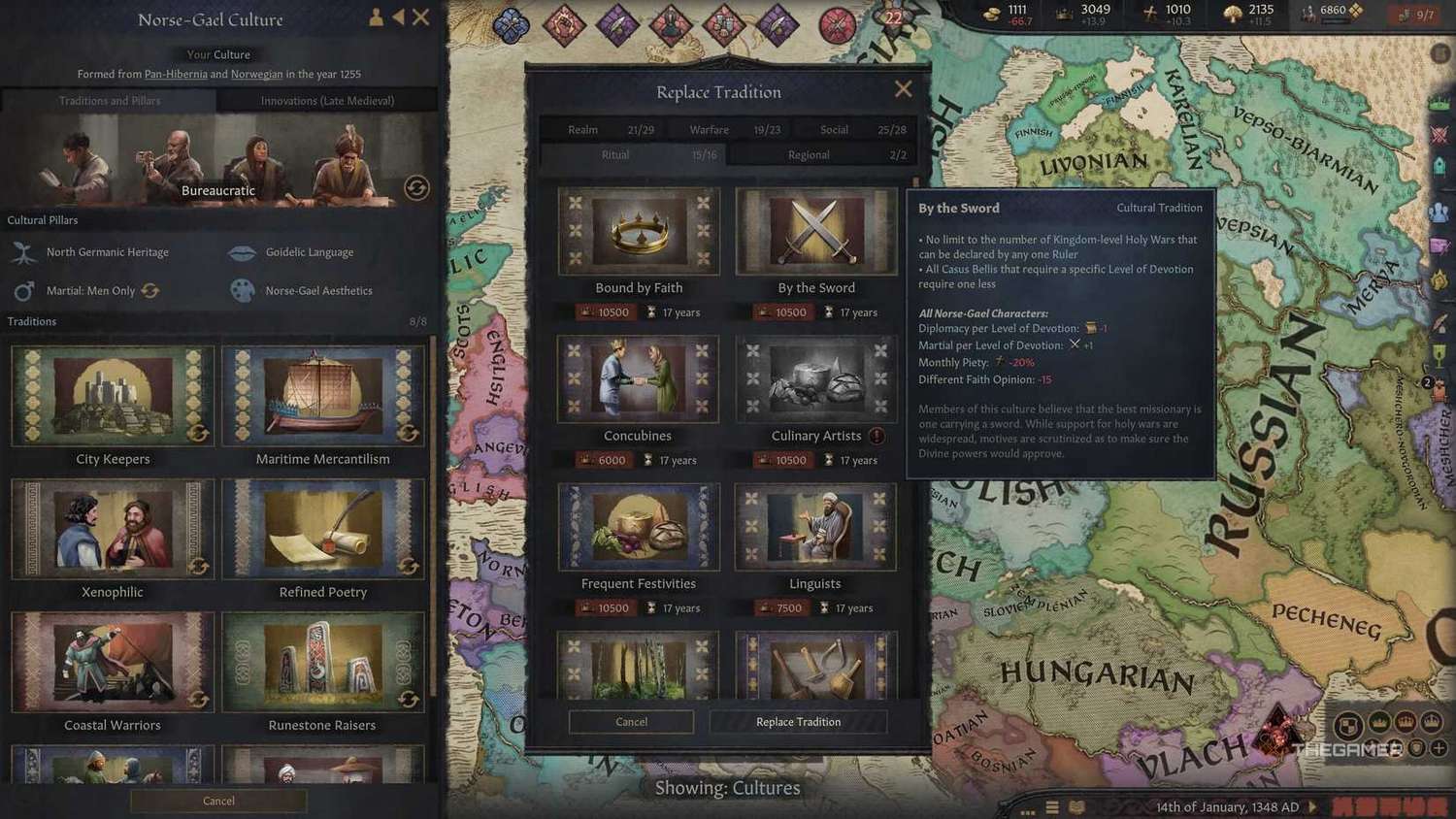 Top Tier Cultural Traditions for Every Playstyle and Goal
1. Martial Might: Dominating the Battlefield and Beyond
For players who prefer to expand their borders through conquest, intimidate their neighbors with overwhelming military strength, or simply defend their realm with ferocity, certain traditions stand head and shoulders above the rest. These are essential for any aspiring war-focused ruler.
- Warrior Culture: Arguably one of the most popular and potent martial traditions, particularly for aggressive expansion. It grants significant bonuses to combat rolls, character prowess, and the efficiency of Men-at-Arms. Furthermore, it often provides events that generate prestige and reinforce a martial focus, making your characters more likely to develop martial traits. This tradition is excellent for tribal rulers seeking rapid expansion and aggressive feudal lords aiming for continuous conquest. Keywords: CK3 combat bonuses, Warrior Culture strategy, military expansion CK3, best Men-at-Arms buffs.
- Chivalry: While not purely offensive, Chivalry dramatically boosts knight effectiveness and prowess gain for characters, making your individual champions formidable on the battlefield. It also reduces susceptibility to certain negative events related to warfare and enhances the opinion of characters with chivalric traits. Paired with a strong knightly order or a focus on training high-prowess characters, this tradition can turn the tide of many conflicts and add significant defensive capabilities. Keywords: CK3 knight effectiveness, Chivalry benefits, prowess mechanics guide.
- Reavers / Pillagers: Essential for Viking-style or tribal raiders, these traditions dramatically increase the gold and prestige gained from raids, allow for more captives (which can be ransomed or used to recruit knights), and often unlock special interaction options related to raiding. For early game expansion and economic development, especially in regions with many weaker neighbors or coastal access, these are invaluable for kickstarting your economy and levy counts. Keywords: CK3 raiding guide, Viking playstyle CK3, tribal economy optimization.
- Strong and Pliant: A fantastic defensive tradition, especially for feudal realms holding challenging terrain. It grants substantial bonuses to defensive combat rolls and reduces enemy advantage in hostile territory. If you frequently find yourself defending against larger neighbors or holding difficult, mountainous, or forested regions, this tradition can be a lifesaver, making your holdings far harder to invade.
2. Economic & Developmental Powerhouses: Building Prosperity and Innovation
For those who prefer a more peaceful, internal focus, building tall and generating immense wealth, several traditions streamline development and economic growth, fostering a stable and prosperous realm.
- Agrarian: A cornerstone tradition for any empire focused on “building tall.” Agrarian significantly boosts development growth in farmlands and floodplains, the premier terrain types for high development. This directly translates to more taxes, levies, and innovation speed, creating a self-reinforcing cycle of prosperity. It’s often considered one of the most powerful long-term traditions. Keywords: CK3 development growth, Agrarian benefits, economic strategy CK3, high development counties.
- Communalism: This tradition reduces the cost of constructing buildings and holding upgrades, making it easier and faster to rapidly develop your infrastructure. It’s particularly potent in the early to mid-game when establishing a strong economic base across multiple counties, allowing you to quickly fill your building slots. Keywords: CK3 building cost reduction, infrastructure development CK3, Communalism guide.
- Byzantine Bureaucracy: While historically tied to the Byzantine Empire, this tradition offers universal benefits for control and opinion. It significantly reduces the tyranny gain from revoking titles and grants a bonus to control growth, making internal management much smoother and less prone to factionalism, especially in large empires. Keywords: CK3 control growth, Byzantine Bureaucracy CK3, internal management tips, vassal opinion management.
- Megalithic Builders: Provides a cost reduction for constructing special buildings and unlocks unique Grand Buildings. If your goal is to construct historical wonders, powerful unique structures, or holy sites, this tradition is a must-have for maximizing their impact and minimizing their often prohibitive costs.
3. Intricate Maneuvers: Mastering Intrigue & Diplomacy
For the spymasters and silver-tongued diplomats, specific traditions can turn your court into a hub of clandestine operations or a beacon of international renown, allowing you to achieve your goals without resorting to open warfare.
- Paranoid: While sounding negative, this tradition actually offers crucial defensive bonuses against hostile schemes and foreign intrigue. It increases personal scheme resistance and often provides events that reveal secrets or foil assassination plots. For rulers frequently targeted by rivals or operating in a dangerous geopolitical landscape, this is an invaluable safeguard. Keywords: CK3 intrigue defense, Paranoid tradition CK3, scheme resistance buffs.
- Courtly: A fantastic tradition for diplomatic rulers. It boosts opinion from characters within your court, improves grand wedding outcomes and event chances, and generally makes diplomacy more effective, including alliance potential. If you rely on alliances and vassal loyalty to maintain peace and expand influence, Courtly can smooth over many potential conflicts and build a strong network of allies. Keywords: CK3 diplomatic bonuses, Courtly culture benefits, vassal management strategies.
- Ritualized Friendships: This tradition provides a significant boost to opinion from same-faith rulers and makes it easier to form alliances. For playing a smaller realm surrounded by powerful neighbors, or for expanding your influence through a vast web of defensive pacts, this can be the difference between survival and subjugation. It’s particularly strong for religious head characters.
- Stoicism: Offers a strong boost to stress loss and scheme power, making your characters more resilient to mental breaks and more effective at clandestine activities like murder plots or abduction schemes. A perfect blend for an intrigue-focused ruler who also values mental fortitude and long-term stability in their shadowy endeavors.
4. Scholarly Pursuits: Accelerating Innovation & Learning
To outpace your rivals in technology, religious doctrine, and foster a generation of brilliant scholars, certain traditions enhance learning and innovation, driving progress across your realm.
- Philosophical: This tradition grants a substantial bonus to learning lifestyle experience and innovation progress, making your scholars more effective and speeding up the unlock rate for critical innovations. For cultures aiming to unlock innovations faster and educate highly intelligent heirs who excel in learning, Philosophical is a prime choice. Keywords: CK3 innovation speed, Philosophical culture guide, learning lifestyle benefits.
- Scholarly: Similar to Philosophical, Scholarly offers bonuses to learning education and provides unique events related to knowledge and research, often granting positive traits or skill boosts. It’s ideal for setting up a dynasty of brilliant strategists and thinkers who can guide your realm through technological and cultural advancement.
- Militia Doctrines: While sounding purely martial, this tradition also significantly boosts innovation speed for military innovations, which can give you a technological edge in warfare by unlocking better Men-at-Arms or tactical options ahead of your neighbors.
Strategic Considerations for Choosing and Evolving Cultural Traditions
 Strategic Considerations for Choosing and Evolving Cultural Traditions
The “best” tradition isn’t static; it depends heavily on your starting position, character focus, and long-term goals. A nuanced approach to cultural management is what truly elevates a CK3 player. Here are key factors to consider:
- Starting Terrain: If you begin in an area rich in farmlands and floodplains, Agrarian becomes exceptionally powerful. Conversely, if your domain is mountainous, traditions that boost defensive combat or allow for unique mountain buildings gain prominence. Always adapt to your geographical reality.
- Government Type: Tribal rulers benefit immensely from raiding traditions like Reavers for early game income and expansion. Clan governments might prioritize traditions that improve opinion or allow for stronger alliances due to their unique vassal mechanics. Feudal realms have the most flexibility and can tailor their traditions to almost any strategic objective.
- Current Character’s Lifestyle: A martial ruler will naturally benefit more from Warrior Culture, while a spymaster will thrive with Paranoid. Consider if you’re planning to educate your heirs in a specific lifestyle and choose traditions that complement and enhance it for optimal character development.
- Dynasty Legacies: Some dynasty legacies synergize incredibly well with specific traditions. For instance, a bloodline focused on prowess will be further enhanced by Chivalry, creating truly legendary knights. Plan your legacies and traditions in conjunction for maximum impact.
- Game Stage: Early game often benefits from traditions that boost economic growth or military strength for rapid expansion and consolidation. Late game might prioritize development, innovation, or internal stability through better control and diplomatic traditions to manage a vast empire.
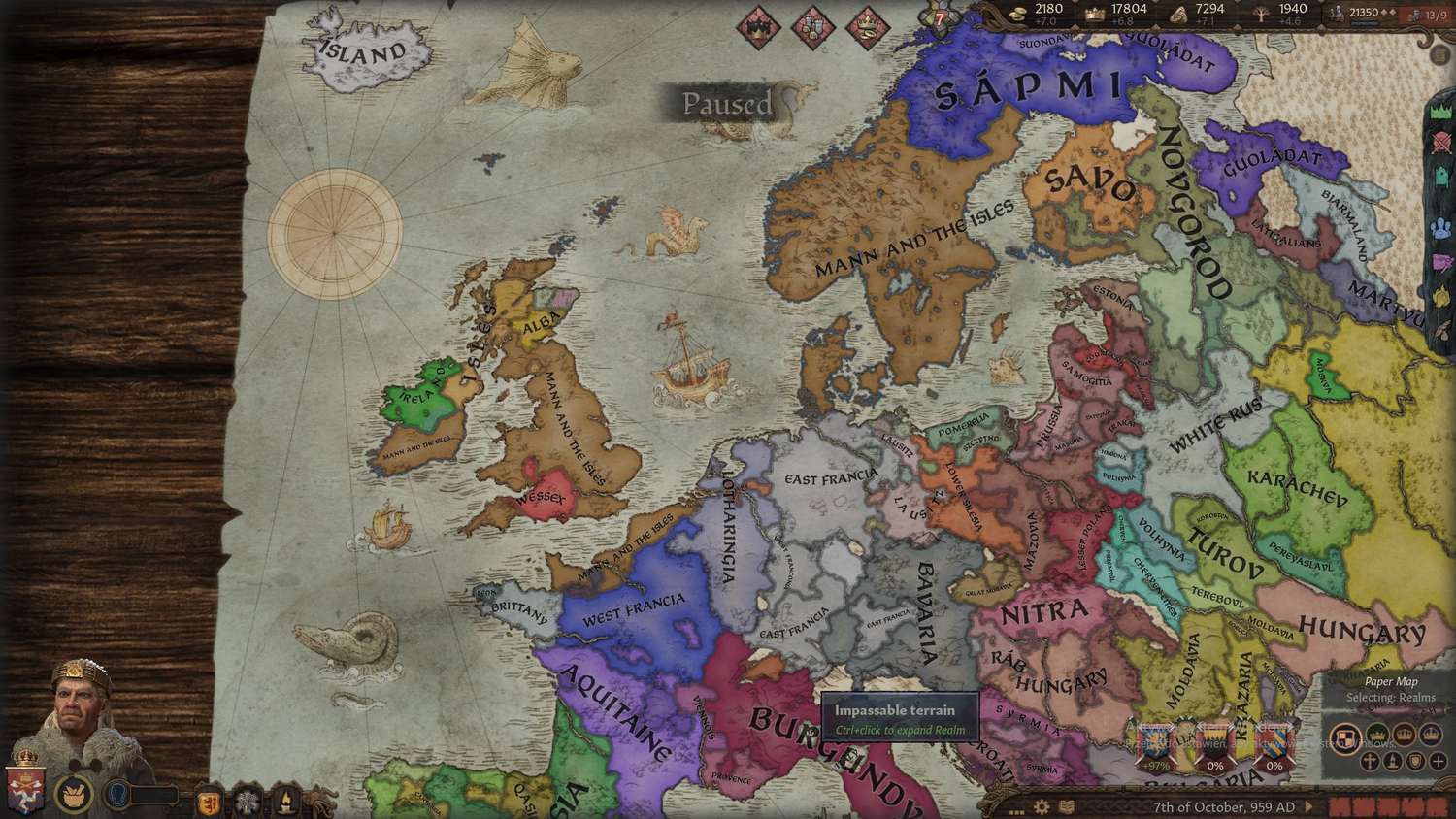
Remember that cultures can diverge and eventually merge, allowing for organic evolution or deliberate engineering of your cultural identity. Creating a hybrid culture or reforming your existing one offers powerful opportunities to cherry-pick the most advantageous traditions for your dynastic vision, a feature heavily expanded upon in the “Royal Court” DLC.
Evolving Your Culture: Creating Hybrid Traditions and Divergence
The “Royal Court” expansion introduced and “Tours & Tournaments” further refined the mechanics of Cultural Divergence and Hybridization. This allows players to actively shape their culture beyond its initial setup, a critical feature for any advanced CK3 player looking to optimize their playthrough and adapt to changing circumstances.
- Diverging a Culture: If you find your current culture’s traditions are no longer serving your goals, or if you simply wish to tailor it more closely to your unique playstyle, you can diverge it. This process allows you to select new traditions, dropping old ones, and rename your culture. It costs prestige and requires having a certain number of counties of your culture. This is crucial for adapting to changing geopolitics, consolidating newly conquered lands, or catering to a new ruling dynasty’s focus. This offers unparalleled flexibility in customising your cultural identity and achieving specific goals. Keywords: CK3 cultural divergence strategy, reforming culture Crusader Kings 3, custom culture creation.
- Hybridizing Cultures: Arguably one of the most powerful mechanics for optimizing cultural traditions. By meeting certain criteria (e.g., sharing a border, having a certain number of counties of both cultures, having a good opinion with a character of the other culture), you can form a hybrid culture. When doing so, you can choose a set number of traditions from both parent cultures, allowing you to combine the best of both worlds. Imagine combining the martial might of a warrior culture with the economic prowess of an agrarian society – the possibilities for creating truly overpowered custom cultures are immense! Keywords: CK3 hybrid culture guide, best hybrid traditions, cultural fusion CK3, advanced CK3 mechanics.
Successfully navigating these cultural evolutions requires foresight and careful planning. Consider which existing cultures around you have traditions you covet, and plan your expansion or diplomatic efforts accordingly to facilitate hybridization, turning cultural differences into dynastic strengths.
Conclusion: The Enduring Legacy of Thoughtful Tradition Selection
Crusader Kings 3’s cultural traditions are more than just a background detail; they are a fundamental pillar of dynastic success. From the roaring battlefields to the bustling market squares, and from the shadowy courts to the illuminated scriptoriums, the traditions you choose profoundly influence every aspect of your reign. A truly masterful CK3 player understands that cultural management is as vital as military strategy or diplomatic maneuvering.
By carefully selecting traditions that align with your strategic goals, adapting your culture through divergence or hybridization, and understanding the intricate synergies between cultural effects and other gameplay systems, you can forge a dynasty that not only survives but truly thrives amidst the tumultuous tapestry of medieval history. Mastering this complex yet rewarding system is key to ascending to unparalleled heights and leaving an indelible mark on the Crusader Kings 3 world.
Continual adaptation and a deep understanding of these powerful cultural modifiers will ensure your dynasty’s legacy is one of enduring strength and innovation. Embrace the strategic depth of Crusader Kings 3, and let your culture be the cornerstone of your empire. Investing time in understanding and manipulating cultural traditions will pay dividends in every campaign, making your reign legendary.