
Koyoharu Gotouge Explains Why Tanjiro Never Achieved Hashira Rank in Demon Slayer’s End Game









Popular Now
Fall Guys
 God of War Ragnarök
 Black Myth: Wukong
 CarX Street
 Free Fire
 R.E.P.O
 Grand Theft Auto V
 The Legend of Zelda
 Among Us
Garena Free Fire: Kalahari
Among Us
Garena Free Fire: Kalahari 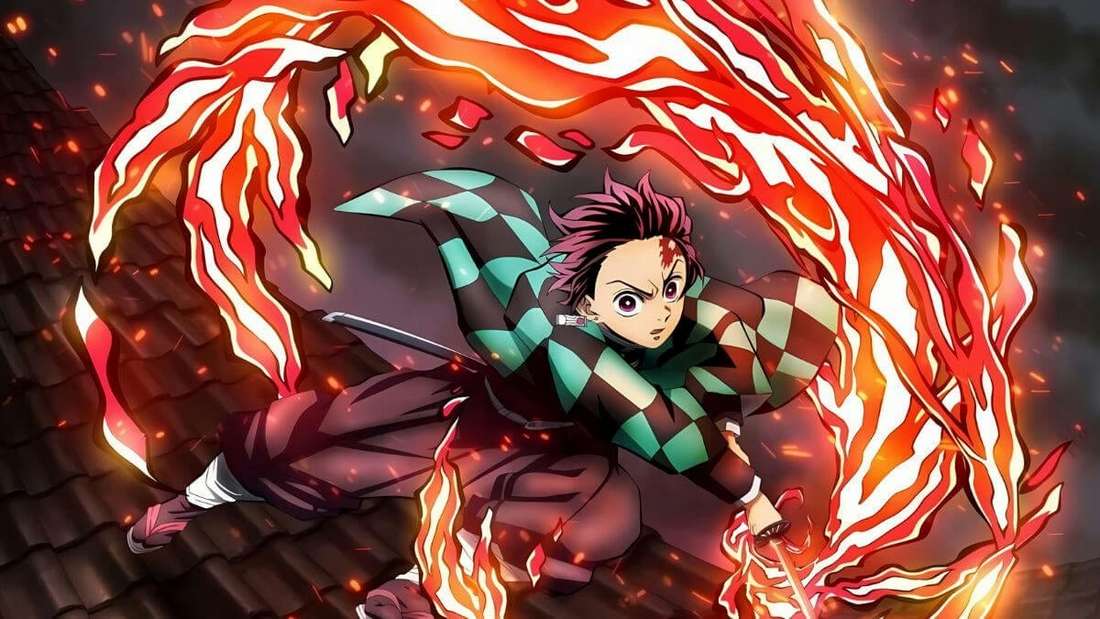 Demon Slayer: Kimetsu no Yaiba has captivated millions globally, solidifying its position as a paramount shonen epic. Central to its compelling narrative is the unwavering protagonist, Tanjiro Kamado, whose journey from a compassionate charcoal seller to a formidable demon slayer is marked by extraordinary trials and triumphs. Despite his pivotal role in defeating the progenitor of all demons, Muzan Kibutsuji, and mastering the legendary Sun Breathing technique, fans have often pondered a significant narrative detail: why did Tanjiro never officially ascend to the esteemed rank of a Hashira? Recent insights, attributed to the series’ enigmatic creator, Koyoharu Gotouge, shed light on this lingering question, offering a profound understanding of the series’ overarching themes and its conclusive trajectory.
The Hashira represent the pinnacle of strength and skill within the Demon Slayer Corps, serving as its most elite swordsmen. Their power is unquestionable, their dedication absolute, and their presence critical in the unending war against demons. To achieve this rank typically requires either defeating a Twelve Kizuki member (specifically an Upper Rank) or accumulating a specific number of demon kills and years of service. Tanjiro’s contributions, particularly his direct confrontation with Muzan and his mastery over Sun Breathing, arguably surpassed the conventional prerequisites for Hashira status, sparking widespread speculation among the dedicated fanbase. This deep dive into Gotouge’s perspective aims to clarify the creative decisions behind Tanjiro’s ultimate path.
 Understanding the Hashira Mandate and Tanjiro’s Unique Path
 Understanding the Hashira Mandate and Tanjiro’s Unique Path
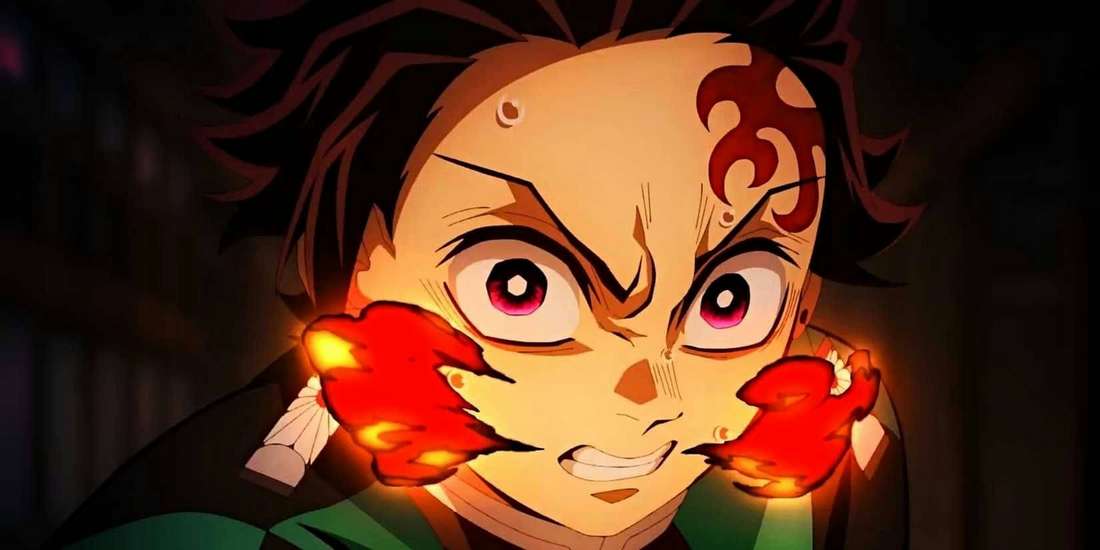
The role of a Hashira extends beyond mere combat prowess; it encompasses leadership, strategic insight, and an unwavering commitment to protecting humanity. Characters like Giyu Tomioka, Kyojuro Rengoku, and Shinobu Kocho exemplify these qualities, showcasing diverse breathing styles and formidable abilities that make them cornerstones of the Demon Slayer Corps. Tanjiro, throughout his arduous journey, demonstrated remarkable growth, not only in his physical capabilities and combat techniques, including the Hinokami Kagura (Sun Breathing), but also in his extraordinary empathy and leadership potential. His ability to connect with and even influence demons, albeit rarely, showcased a unique aspect of his character development that set him apart from his peers. Many argued that his rapid ascent and critical contributions to the final arc made him an undeniable candidate for a Hashira position, a sentiment that fueled countless fan discussions and analytical pieces across various anime and manga forums.
His unwavering resolve, even in the face of insurmountable odds, combined with his natural talent for combat and an inherited breathing technique that stood as the original form of all others, painted a picture of a destined leader. Furthermore, Tanjiro’s unwavering moral compass and his ability to inspire those around him—from his fellow demon slayers to the very Hashira he fought alongside—underscored his inherent leadership qualities. These attributes, conventionally seen as essential for a Hashira, made the absence of his formal promotion a point of intense speculation. The narrative choices surrounding Tanjiro’s end-game position thus carry significant weight for the interpretation of the entire Kimetsu no Yaiba manga series.
Koyoharu Gotouge’s Definitive Rationale: The Dissolution of the Corps
The definitive reason for Tanjiro’s non-ascension, as revealed through interpretations of Koyoharu Gotouge’s narrative intent and post-series reflections, is rooted in the very conclusion of the demons’ reign. With the defeat of Muzan Kibutsuji, the Demon Slayer Corps, an organization that had waged war for centuries, achieved its ultimate goal. The primary threat to humanity was eradicated, rendering the Corps’ existence obsolete. Consequently, the Demon Slayer Corps was disbanded, eliminating the hierarchical structure that included the Hashira rank. This momentous event marked not just the end of a conflict but the ushering in of an era of peace where such specialized warriors were no longer necessary.
This explanation highlights a crucial aspect of Gotouge’s storytelling: the narrative’s focus on a conclusive ending. Unlike many long-running shonen series where the hero continually seeks higher ranks or challenges, Demon Slayer provides a definitive resolution to its core conflict. Tanjiro’s journey culminates in the eradication of demons, fulfilling the historical mission of the Corps. Therefore, his path was not to become a higher-ranking slayer within an ongoing system, but to be the instrument through which that system could finally achieve its purpose and gracefully dissolve. This narrative choice provides a powerful and satisfying conclusion, emphasizing peace over continuous battle, and aligns with the thematic core of the high-quality anime adaptation and its source material.
The Physical and Emotional Toll: A Subtle Underlying Factor
While the dissolution of the Demon Slayer Corps stands as the primary and most explicit reason, subtle underlying factors also contribute to the nuanced understanding of Tanjiro’s post-Muzan life. The brutal final battle exacted a tremendous physical toll on Tanjiro. He sustained severe injuries, including permanent damage to his eye and arm, and endured profound trauma from his brief transformation into a demon. Such debilitating injuries, even for a warrior of his caliber, would inevitably impact his ability to maintain the rigorous demands of a Hashira.
Beyond the physical, the emotional and psychological exhaustion from years of relentless combat and personal loss played a significant role. Tanjiro’s ultimate desire was to restore his sister Nezuko to humanity and live a peaceful life. The conclusion of the war offered him that chance, a return to normalcy and the opportunity to heal, both physically and emotionally. To thrust him into a leadership role within a still-active, demanding organization would contradict the very peace he fought so desperately to achieve. This nuanced perspective adds depth to Gotouge’s narrative choices, reinforcing the idea that the end of conflict meant a chance for individual healing and collective peace, rather than an endless pursuit of power or rank within a war-torn world. This provides valuable insights for fans seeking a deeper manga series analysis.
 Legacy Beyond Rank: Tanjiro’s Enduring Impact on the Demon Slayer Universe
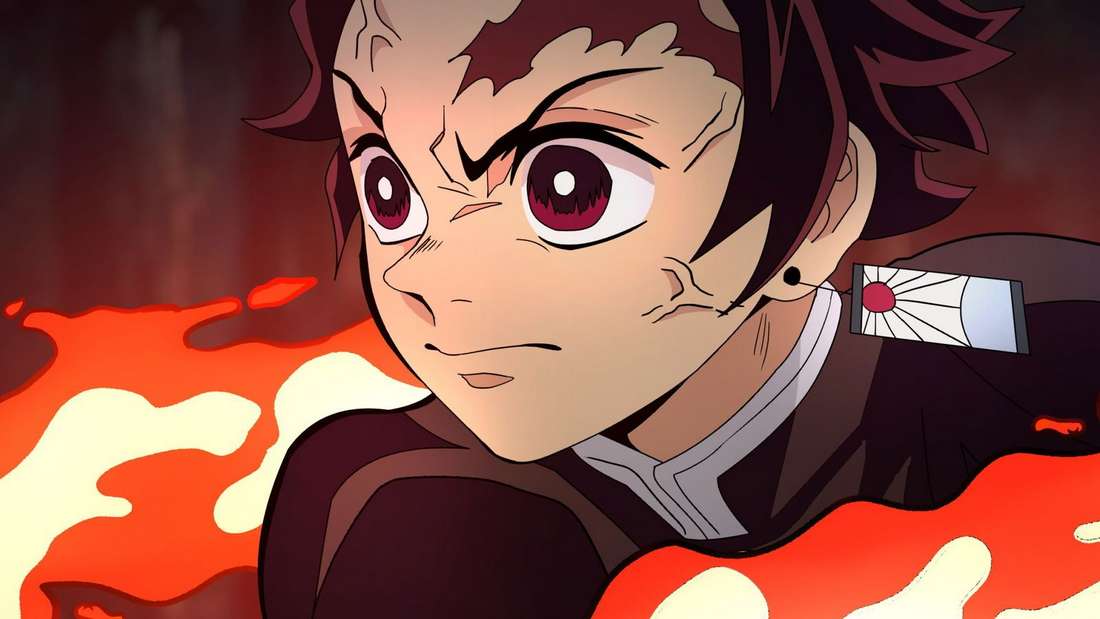 Legacy Beyond Rank: Tanjiro’s Enduring Impact on the Demon Slayer Universe
Tanjiro’s legacy, therefore, transcends any official title or rank. His actions, his compassion, and his unwavering spirit were instrumental in bringing about the end of an era of terror. He didn’t need the title of Hashira to be recognized as one of the most powerful and influential demon slayers in history. His unique position as a Sun Breathing user and the one who directly faced and defeated Muzan Kibutsuji cemented his legendary status far more than any organizational hierarchy could. The ultimate victory belonged to the entire Corps, but Tanjiro’s personal journey was the catalyst for its conclusion, marking him as a figure of immense historical importance within the narrative.
The clarity provided by Gotouge’s implied reasoning offers a more profound appreciation for the series’ ending. It underscores the theme that true victory lies not in perpetual conflict or the attainment of power within a warring system, but in achieving peace and allowing those who fought for it to find their own form of solace and normal life. This aligns perfectly with the overarching message of Demon Slayer: Kimetsu no Yaiba – a story about resilience, familial love, and the ultimate triumph of humanity over despair. For fans of premium anime content and deeply satisfying character arcs, this explanation provides closure and reinforces the nuanced storytelling that defines this modern classic. The ongoing cultural impact and high sales of manga volume sales further attest to the resonance of these narrative decisions with a global audience.