
Gears of War’s Active Reload: The High-Stakes Mechanic Modern Shooters Must Adopt









Popular Now
 League of Legends
 R.E.P.O
 The Legend of Zelda
 FIFA 23
PUBG Mobile
FIFA 23
PUBG Mobile
 NBA 2K24
Gacha Club
NBA 2K24
Gacha Club
 Rust
Rust
 Fortnite
Geometry Dash
Fortnite
Geometry Dash 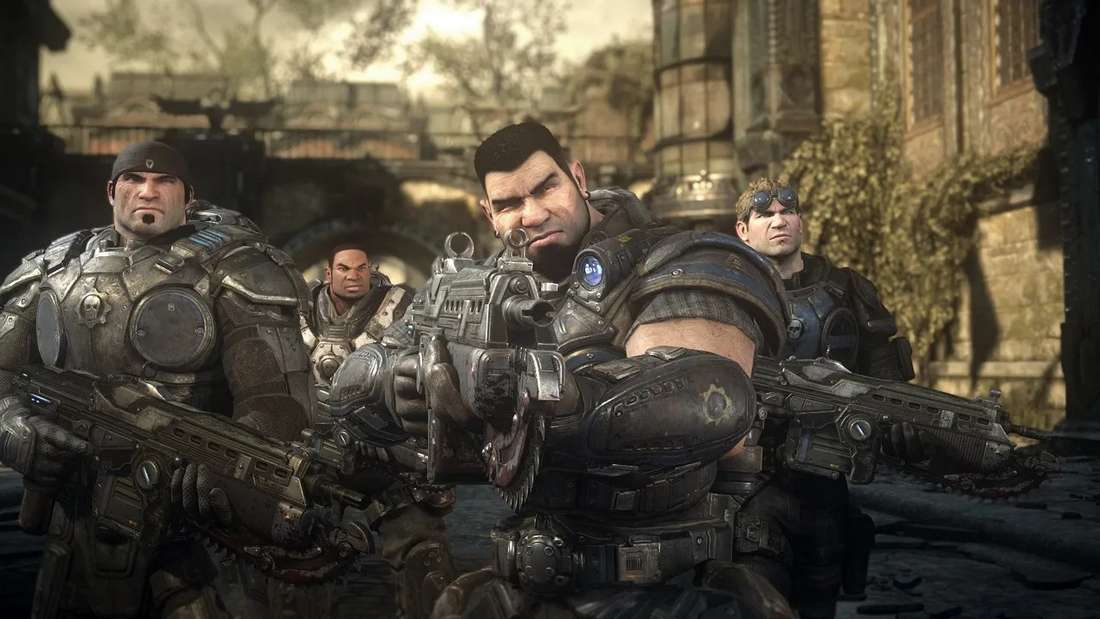 The year is 2025, and the video game industry is awash with new releases: from the tactical realism of upcoming military FPS titles like Battlefield 6 to the chaotic, loot-driven mayhem of the latest looter shooters. Yet, as developers continually chase the next big innovation—be it AI-powered solutions in gameplay design or integration of Metaverse opportunities—a critically acclaimed, yet criminally underutilized mechanic from nearly two decades ago remains a gold standard: the Active Reload from Epic Games’ seminal third-person shooter, Gears of War. This simple, risk-reward timing challenge transformed a mundane action into a heart-pounding moment of strategic decision-making, and its absence in the majority of today’s high-profile shooters is a missed opportunity for increasing core gameplay depth and player engagement.
 Analyzing the Active Reload: Risk, Reward, and R.O.I. for Core Gameplay
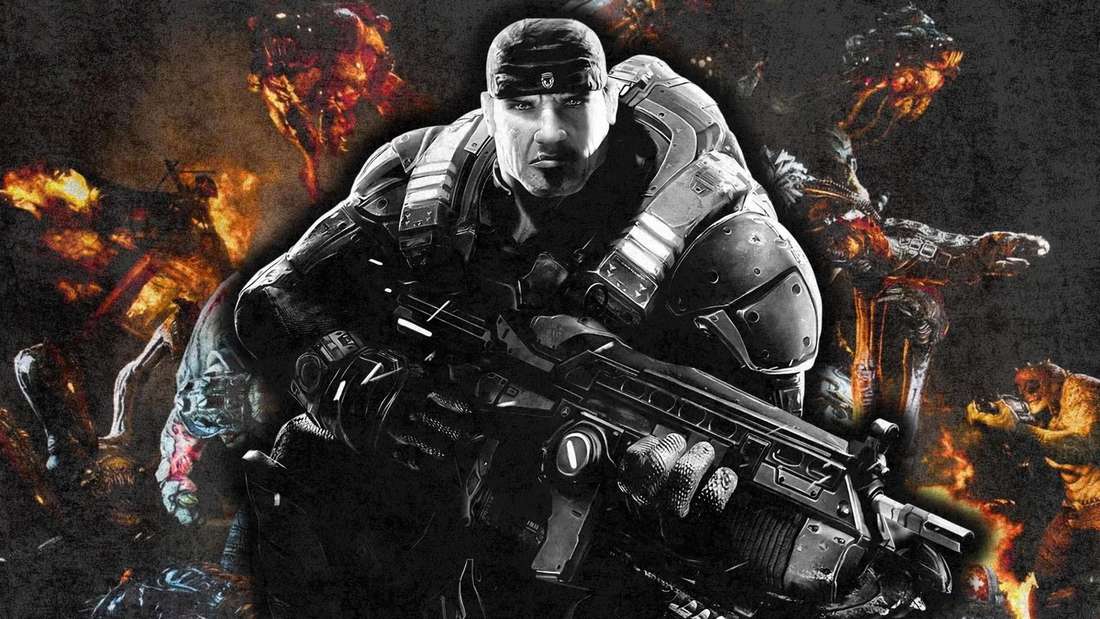 Analyzing the Active Reload: Risk, Reward, and R.O.I. for Core Gameplay
For those unfamiliar, the Active Reload presents a brief, on-screen mini-game during a standard weapon reload animation. A cursor sweeps across a bar, and pressing the reload button within a designated area—the “sweet spot”—grants a ‘Perfect’ reload, which not only completes the action faster but often grants a temporary damage boost or other weapon-specific benefits. Conversely, mistiming the button press results in a ‘Failed’ reload, jamming the weapon and imposing a significant, often fatal, time penalty. This mechanic is a genius piece of game design for several critical reasons:
- Elevates Player Skill: It turns a passive, necessary downtime (reloading) into an active, skill-based moment. Mastery of the timing, unique to each weapon, adds a micro-layer of skill expression that separates casual players from veterans. This focus on skill and progression is key in the modern eSports landscape.
- Injects Tension: In the middle of a frantic firefight—say, a co-op raid in an extraction shooter or a clutch moment in a competitive FPS match—the decision to attempt the Active Reload is a calculated gamble. The guaranteed, but slow, standard reload is the safe option, while the Active Reload offers high reward but with the immense risk of a crippling jam.
- Tactical Integration with Cover: As noted by many in the community, the Active Reload pairs perfectly with Gears of War’s signature cover system. The player is encouraged to seek cover to safely attempt the perfect reload, thereby integrating the two core mechanics into a cohesive combat loop. Modern shooters with robust cover systems, like The Division 2 or the upcoming Gears of War: E-Day, would benefit immensely from this synergy.
 A Missed Opportunity in Modern AAA Shooters
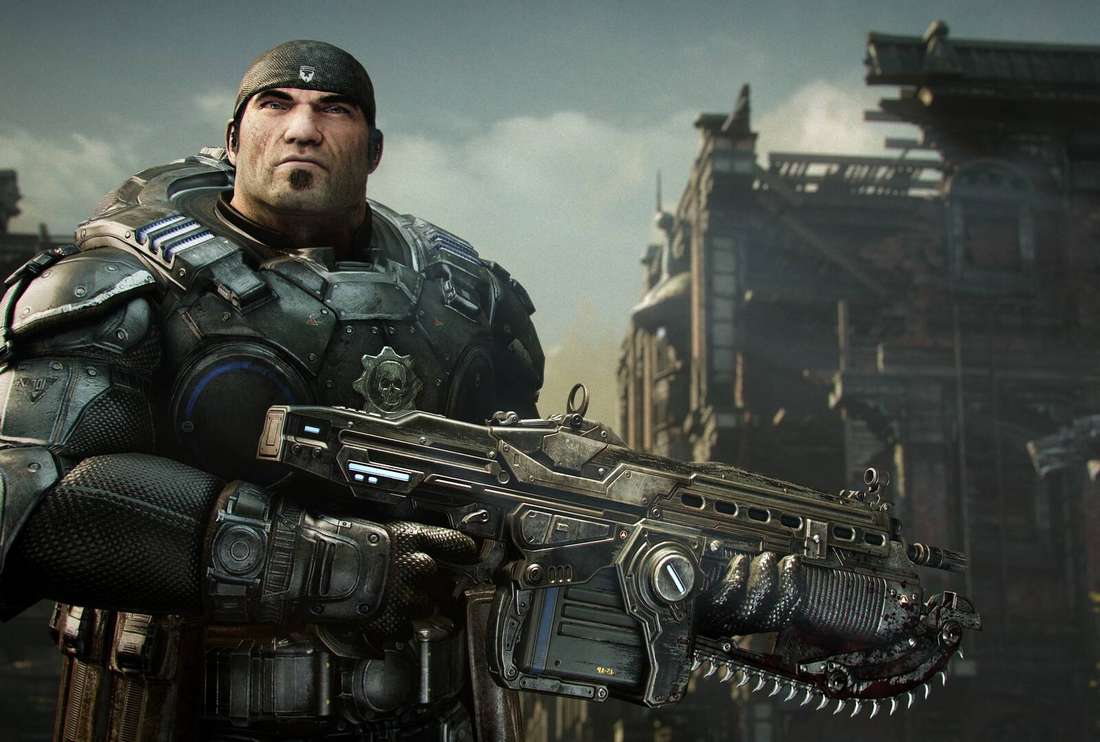 A Missed Opportunity in Modern AAA Shooters
The latest wave of shooter releases, particularly those focused on live-service models and constant progression—a niche where high CPC keywords are aggressively targeted—often prioritizes monetization and content volume over core mechanical innovation. While Destiny 2 has its own intricate systems, and Valorant focuses on ability-based tactical gameplay, few have adopted a simple, universally applicable mechanic that increases the enjoyment of the most fundamental action: reloading. Imagine the palpable tension in an intense looter shooter run if missing an Active Reload meant losing precious seconds while surrounded by high-level enemies.
The Active Reload is not merely a ‘gimmick’; it’s a foundational piece of design that offers a meaningful, continuous interaction loop. Its integration into various genres is entirely feasible, as proven by its successful implementation in other titles. For example, the rhythm-based mechanics of the Railgunner in Risk of Rain 2 or the combo-ending job change system in Stranger of Paradise Final Fantasy Origin show that this concept transcends the third-person shooter genre.
The Future of Shooter Mechanics: Learning from the Past
As the industry continues to evolve, with titles pushing the boundaries of graphical fidelity (e.g., 4K 120Hz gaming) and complex physics, a return to elegantly simple, skill-based mechanics is crucial for long-term player retention. Publishers should view the Active Reload as a tool to improve the player experience (PX) and increase the intrinsic value of their product, which in turn leads to a healthier ecosystem for in-game advertising and premium content sales.
We call on the developers behind major franchises—those that dominate the gaming news cycles and the most aggressive gaming keyword research—to seriously review this concept. It’s an inexpensive mechanic to implement that pays dividends in depth and player satisfaction. The perfect reload isn’t just about faster fire-rate; it’s about the feeling of control, the small surge of adrenaline, and the momentary triumph in a desperate fight. That is a feeling that a 2025 shooter must not ignore.
Conclusion: The Call for Deeper Gunplay
The core gameplay loop of a shooter rests on two pillars: shooting and reloading. Gears of War made both engaging, but its Active Reload mechanic stands as its single greatest contribution to the genre’s mechanical potential. It provides a simple, universal language for risk and reward that elevates the action from a button press to a mini-conquest. In a crowded market, adopting a mechanic like the Active Reload offers a clear and demonstrable competitive edge, boosting both the perceived skill ceiling and the minute-to-minute engagement—an excellent value proposition for both players and developers focused on digital transformation strategies in gaming. The time for a new generation of shooters to finally copy this masterpiece of design is long overdue.
Essential Takeaways on Active Reload Integration
- Focus on High Skill Floor: Implement the Active Reload with distinct timing windows for each weapon type, rewarding dedication.
- Strategic Advantage: Ensure the ‘Perfect’ reload offers a meaningful, if temporary, combat bonus (e.g., damage or reduced recoil).
- Punishment is Key: The ‘Failed’ reload must carry a substantial penalty (e.g., a weapon jam or extended animation) to maintain the necessary risk.
- Genre Agnostic: While ideal for cover-based shooters, the mechanic can enhance any game where reloading time is a factor, from survival horror like a potential Dead Space successor to fast-paced arena shooters.